Published on: 2026-03-18
Updated on: 2026-03-18
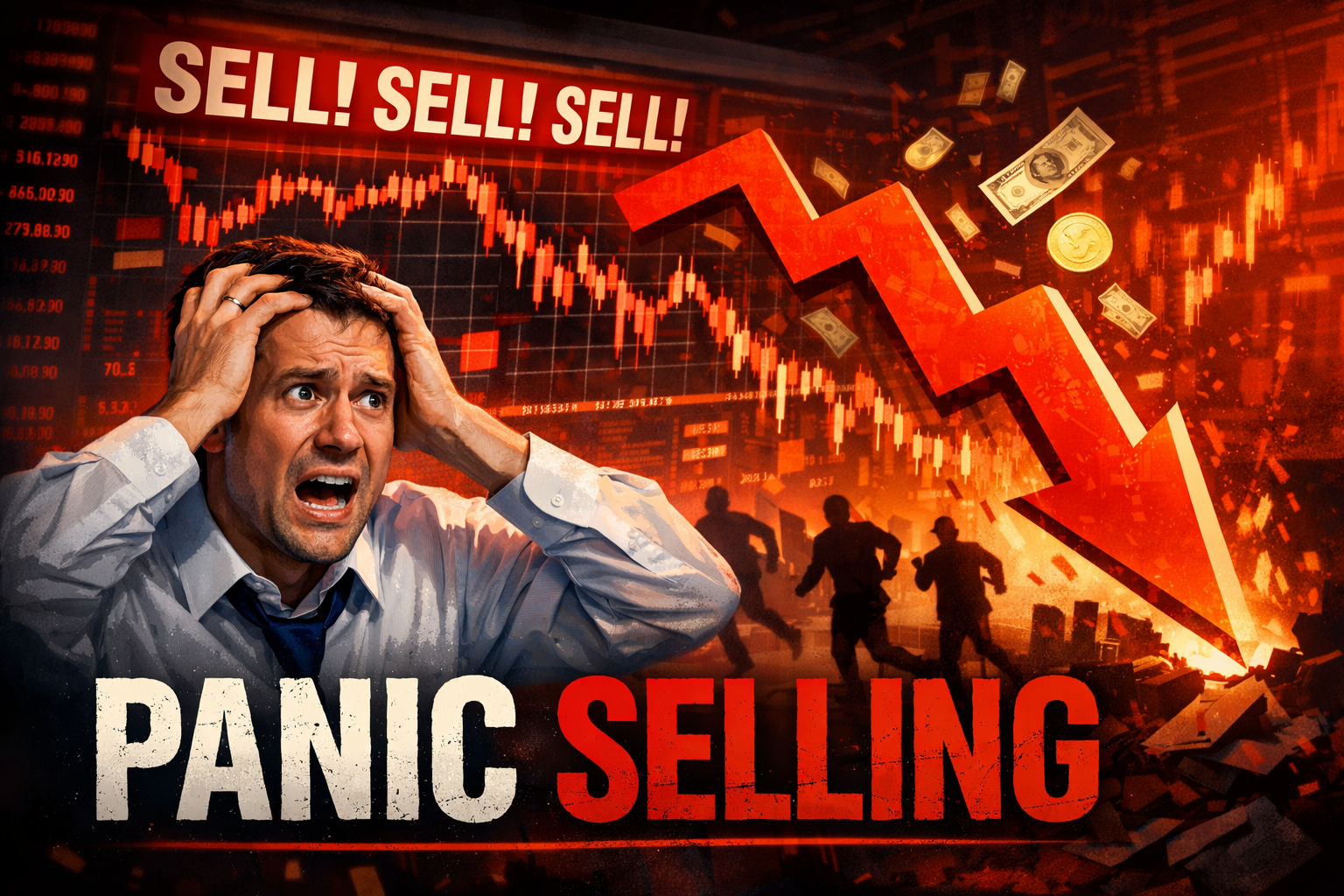
Panic selling occurs when investors sell assets rapidly out of fear of further losses, typically during periods of market stress or uncertainty. Instead of making rational decisions based on long-term value or strategy, traders react emotionally, often exiting positions at unfavourable prices.
This behaviour can accelerate market declines, increase volatility, and create cascading sell-offs that impact entire sectors. Understanding panic selling is essential for traders and investors who aim to protect capital, maintain discipline, and capitalise on market inefficiencies.
Panic selling is driven by fear and often occurs during sharp market declines or uncertainty.
It can lead to selling at the worst possible time, locking in losses unnecessarily.
Market-wide panic can create short-term mispricing and trading opportunities.
Strong risk management and emotional discipline are essential to avoid panic-driven decisions.
Panic selling is the selling of assets quickly and indiscriminately due to fear, often without fully considering the underlying value or long-term outlook.
This typically happens during:
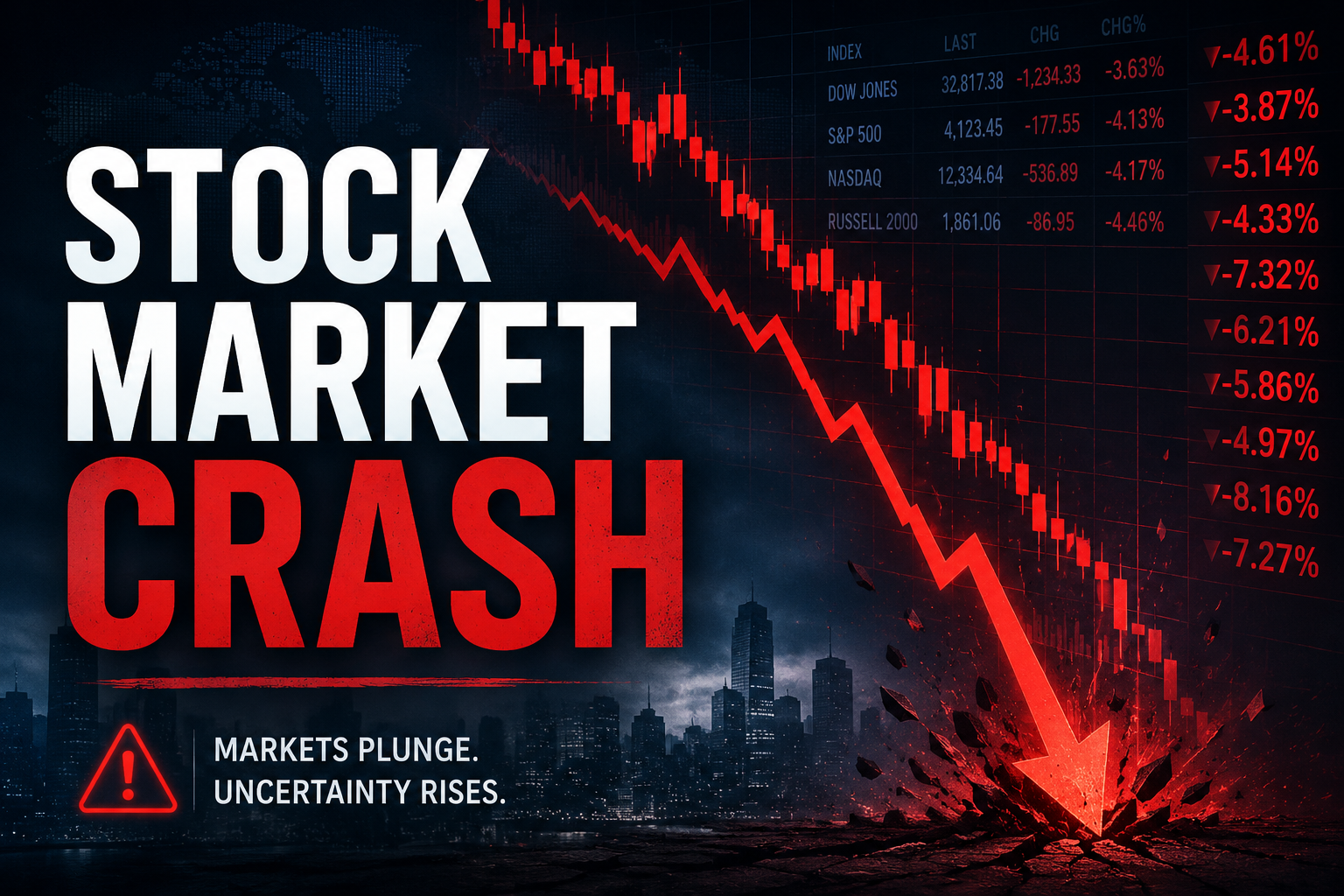
Sudden market crashes
Negative economic news
Geopolitical uncertainty
Unexpected corporate events
The key characteristic of panic selling is emotional decision-making, rather than rational analysis.
Panic selling usually unfolds in stages, often amplifying itself as more participants react to falling prices.
A negative event occurs, such as weak economic data or earnings disappointment.
Prices begin to decline modestly.
Investors start worrying about further losses.
Media coverage intensifies negative sentiment.
Selling pressure increases.
Stop-loss orders are triggered.
Margin calls force additional selling.
Liquidity begins to thin.
Investors sell at any available price.
Volume spikes dramatically.
Markets often hit short-term bottoms.
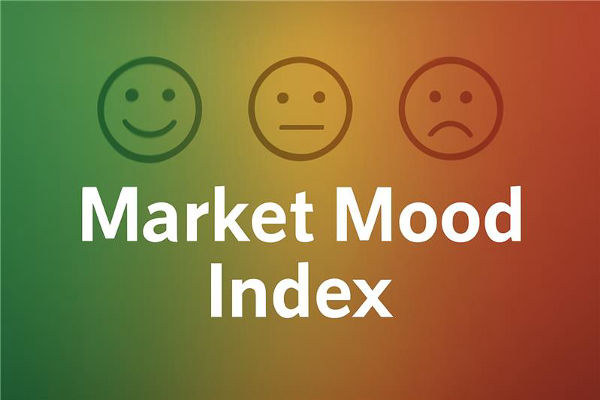
Panic selling is deeply rooted in behavioural finance and cognitive biases.
1. Loss Aversion: Investors feel the pain of losses more strongly than the pleasure of gains, leading them to exit positions quickly to avoid further discomfort.
2. Herd Mentality: When others are selling aggressively, individuals tend to follow, assuming the crowd must be right.
3. Recency Bias: Recent losses dominate thinking, causing investors to believe that declines will continue indefinitely.
4. Fear of Total Loss: Investors may irrationally fear that prices will collapse to zero, even when fundamentals remain intact.
During the Global Financial Crisis, markets experienced extreme panic selling as investors rushed to exit positions amid fears of systemic collapse. Many assets were sold at deeply discounted prices, even when underlying fundamentals later recovered.
In early 2020, global markets plunged amid uncertainty surrounding the COVID-19 pandemic, triggering widespread panic. Investors sold equities rapidly, causing sharp declines before markets eventually rebounded.
The 2010 Flash Crash saw a sudden, dramatic drop in major indices within minutes, driven by automated trading and panic-driven selling.
It is important to distinguish between panic selling and disciplined decision-making.
Panic selling increases volatility, creating both risk and opportunity.
Assets may become undervalued due to indiscriminate selling, offering entry points for disciplined investors.
During panic, liquidity can disappear, leading to poor execution prices.
Selling at market lows can significantly reduce long-term returns.
These companies are known for stability and consistent earnings. However, during market-wide panic, even high-quality stocks may experience temporary declines due to forced selling and liquidity pressures, rather than changes in fundamentals.
While panic selling can be destructive, it can also create opportunities:
Value buying: High-quality assets may trade below intrinsic value
Mean reversion trades: Prices often rebound after extreme declines
Volatility strategies: Traders can benefit from increased price swings
However, these strategies require discipline, patience, and proper risk management.
Selling at the bottom: Investors often exit near market lows.
Missed Recovery: Markets frequently rebound after panic.
Emotional Stress: Fear-driven decisions can lead to regret.
Capital Erosion: Locking in losses reduces future growth potential.
1. Have a Clear Trading Plan: Define entry and exit strategies before entering a trade.
2. Use Stop-Loss Orders Strategically: Predefined stop-loss levels help remove emotional decision-making.
3. Focus on Long-Term Fundamentals: Avoid reacting to short-term noise if your investment thesis remains intact.
4. Diversify Your Portfolio: Diversification reduces the impact of losses in any single asset.
5. Manage Position Sizes: Avoid overexposure that could trigger emotional responses during downturns.
Panic selling is the act of quickly selling assets out of fear of further losses, often without proper analysis, which can lead to poor timing and unnecessary financial losses.
Panic selling is typically caused by sudden negative news, economic uncertainty, market crashes, or sharp price declines that trigger fear, emotional reactions, and herd behaviour among investors.
Panic selling is generally harmful because it is emotionally driven, but selling can be justified if it aligns with a well-defined risk management strategy or a change in fundamental outlook.
Traders can avoid panic selling by following a structured trading plan, using stop-loss orders, managing risk exposure, and focusing on long-term objectives rather than short-term market fluctuations.
Yes, panic selling can create opportunities because assets may become undervalued during extreme market stress, allowing disciplined investors to enter positions at more attractive prices.
Panic selling is one of the most common and damaging behaviours in financial markets, driven by fear, uncertainty, and emotional decision-making. It often leads investors to sell at the worst possible time, locking in losses and missing subsequent recoveries.
However, for disciplined traders, panic selling can also present opportunities. Understanding the psychology behind market fear, maintaining a structured approach, and applying sound risk management help investors navigate volatile periods more effectively.
Ultimately, success in trading is not just about predicting the market, but about controlling emotions when the market becomes unpredictable.
Disclaimer: This material is for general information purposes only and is not intended as (and should not be considered to be) financial, investment or other advice on which reliance should be placed. No opinion given in the material constitutes a recommendation by EBC or the author that any particular investment, security, transaction or investment strategy is suitable for any specific person.