Published on: 2025-12-22
Updated on: 2025-12-23
Accessing U.S. equities from Nigeria without a U.S. bank account or domiciliary account is now one of the most practical ways Nigerian investors can diversify beyond local markets.
You don’t need U.S. residency or a foreign bank account to trade U.S. stocks when you trade with EBC Financial Group.
What you do need is a clear understanding of trading fees, funding and withdrawal methods, and how EBC allows Nigerians to start with a low minimum deposit of as little as $50.
The U.S. stock market hosts industries that are underrepresented in Nigeria; cloud computing, semiconductors, large-cap technology, biotechnology, electric vehicles, and global consumer brands. Adding U.S. stocks helps Nigerian investors reduce over-reliance on local equities.
U.S. stocks are priced in U.S. dollars. For Nigerian investors, USD exposure can help preserve purchasing power when the naira weakens against major currencies.
The U.S. market offers deep liquidity, high trading volumes, and transparent pricing. Many of the world’s fastest-growing companies are listed on U.S. exchanges, often resulting in tighter spreads and more efficient price discovery.
Clear regulation & custody: Prefer brokers regulated in credible jurisdictions and that segregate client funds.
NGN-friendly funding: Can you deposit using local payment partners or only specific ones? Does the broker accept stablecoins (USDT) if you prefer crypto rails?
Withdrawals to Nigerian banks: Can you withdraw back to your naira bank account? How long does it take and what fees apply?
Minimum deposit & fractional shares: Some brokers let you start with as little as $50, and offer fractional shares so you can buy expensive stocks with small capital.
Product set & platform quality: Are ETFs, fractional shares, and dividend handling supported? Is the platform reliable (web/mobile) and easy for beginners?
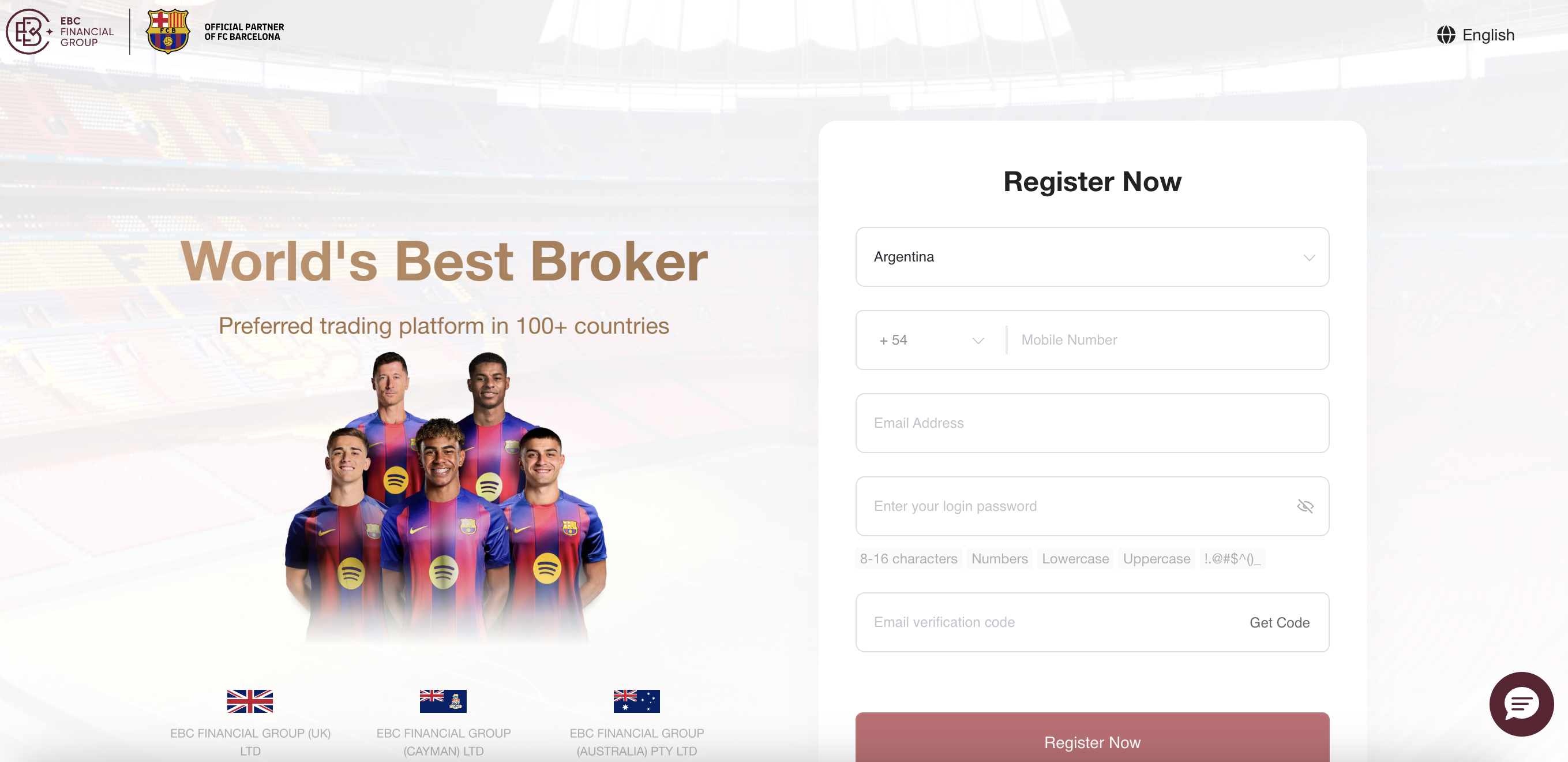
Visit the EBC website and complete the online registration. Provide valid identification such as your international passport or national ID, along with proof of address, to complete the KYC verification process. No U.S. residency or U.S. bank account is required.
Choose your account type and deposit funds using NGN-friendly payment options, including local payment partners, e-wallets, or cryptocurrency (USDT/BTC), depending on availability.
EBC automatically converts your deposit to USD inside your trading account, allowing you to trade U.S. stocks without opening a domiciliary or U.S. bank account.
Minimum deposit starts from $50, making it accessible for Nigerian traders.
Focus on large, liquid U.S. companies with global operations and strong fundamentals. Popular example of stocks available on EBC include:
Apple (AAPL) – Consumer electronics & digital services
Microsoft (MSFT) – Software, cloud computing & AI
Amazon (AMZN) – E-commerce & cloud infrastructure
Tesla (TSLA) – Electric vehicles & energy solutions
Nvidia (NVDA) – AI chips & GPU technology
Alphabet (GOOGL) – Search, YouTube & artificial intelligence
These stocks are widely followed, highly liquid, and suitable for both beginners and experienced traders.
Choose the position size based on your capital and risk tolerance. Select your order type , confirm the trade, and execute directly on EBC’s trading platform. You can monitor price movements, margin usage, and open positions in real time via MT4 or MT5.
Track company earnings, global market news, and price trends that affect your U.S. stock positions. EBC’s platform allows you to manage open trades efficiently, adjust risk controls, and scale positions as your experience and confidence grow.
Profits can be withdrawn through the same funding channel, usually within 1–2 business days.
A Lagos-based investor opened an account with EBC Financial Group and started with $50, funding via a local e-wallet linked to her Nigerian bank account.
She traded a U.S. semiconductor stock CFD and added exposure to an S&P 500 ETF. Over three months, the stock appreciated and the naira weakened, increasing her NGN-equivalent returns.
She tested a small withdrawal first, confirmed processing within the stated timeframe, and then scaled her trading activity.
| Company / ETF | Ticker | Sector | Why Investors Watch It |
|---|---|---|---|
| Apple | AAPL | Tech / Consumer Electronics | Strong ecosystem, services revenue growth, high liquidity |
| Microsoft | MSFT | Tech / Software & Cloud | Cloud dominance (Azure), recurring revenue, enterprise footprint |
| Amazon | AMZN | E-commerce & Cloud | AWS growth, e-commerce scale, diversified business model |
| Nvidia | NVDA | Semiconductors / AI | AI and GPU infrastructure leader with strong growth momentum |
| Tesla | TSLA | EV / Automotive | Global EV leader with energy solutions and innovation edge |
| Alphabet | GOOGL | Tech / AI & Advertising | Search & YouTube ad strength, expanding AI ecosystem |
| Meta Platforms | META | Social Media / Tech | Large user base, growing ad revenue and AI investments |
| Advanced Micro Devices | AMD | Semiconductors | CPU/GPU exposure, competitive position in data center growth |
| S&P 500 ETF (via CFD) | SPXUSD (proxy) | Broad Market | Broad market exposure through EBC’s ETF CFDs offering |
Non-U.S. residents investing in U.S. stocks generally aren’t subject to U.S. capital gains tax, so brokerages won’t withhold taxes on earnings.
However, many countries require residents to pay taxes on foreign investment gains, and dividends are usually taxed at a flat rate unless reduced by a tax treaty with the U.S.
Estate and gift taxes may also apply to certain U.S. assets, with a maximum rate of 40% and a $60,000 exemption for transfers at death.
Because international tax rules can be complex, it’s important to work with a broker familiar with cross-border taxation. EBC Financial Group provides guidance and a regulated platform to help non-U.S. investors navigate these rules while trading U.S. stocks efficiently.
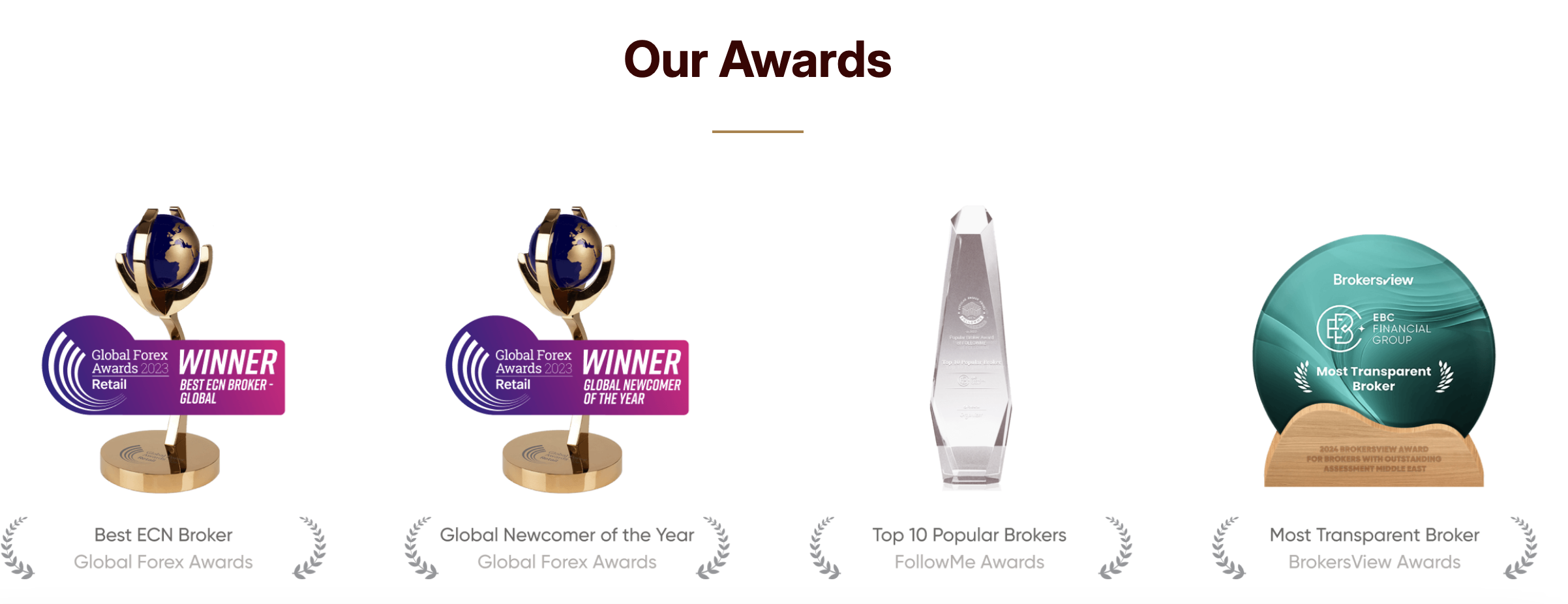
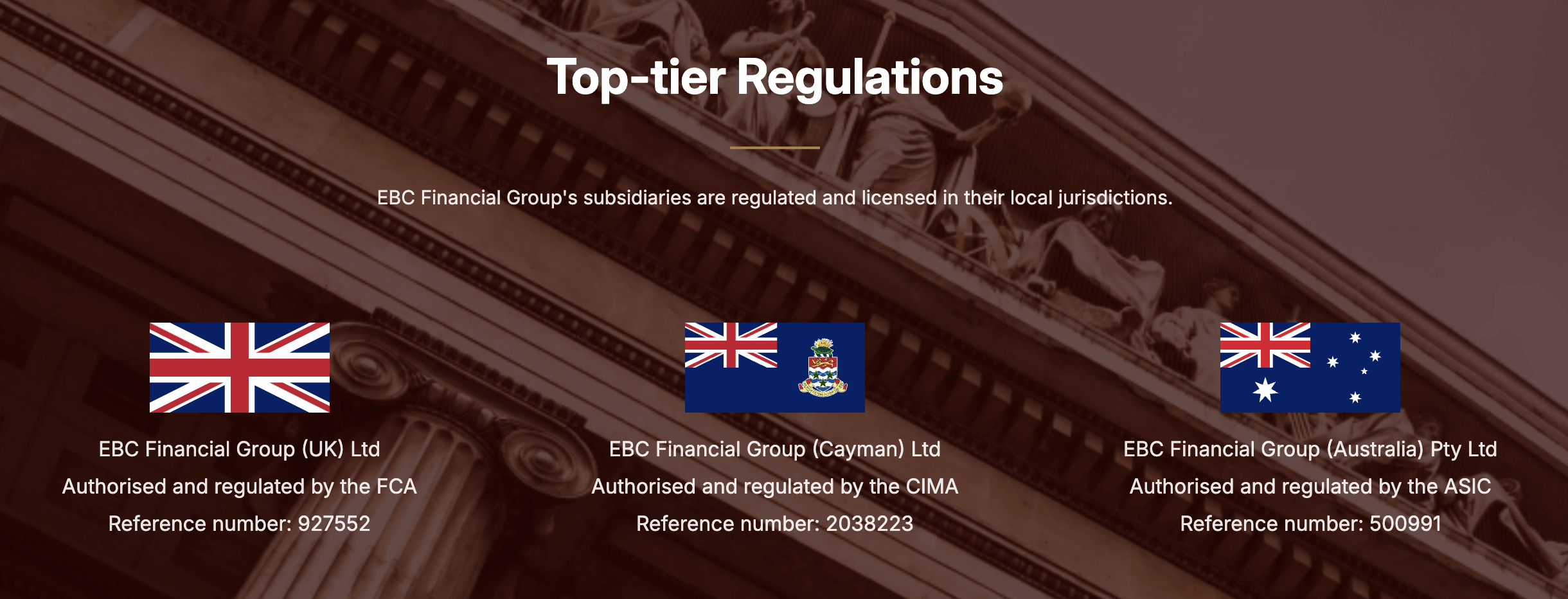
EBC Financial Group operates under internationally recognized regulatory frameworks, including FCA (UK), CIMA (Cayman Islands), and ASIC (Australia). These regulations promote transparency, segregation of client funds, and operational standards designed to protect traders.
Still, every investor should take precaution on:
U.S. stocks can move up or down quickly. Only trade with money you can afford to risk.
U.S. stocks are priced in USD. Changes in the naira-dollar rate (NGN/USD) can affect your final returns when converting back to NGN.
Deposits or withdrawals using local payment partners or crypto may take time. Always test with a small amount (such as $50) first.
Nigeria’s rules and tax policies may change and can affect how you fund, withdraw, or report your profits.
Best practice for Nigerian traders: Start small, keep records of all transactions, and scale gradually as you gain confidence with the platform and funding process.
In 2026, investing in global markets is expected to become easier for Nigerian investors. Better fintech systems and more local payment partners should improve NGN-to-USD conversion, reduce costs, and speed up withdrawals.

More international brokers are also likely to focus on African clients, giving Nigerians more choices, better platforms, and improved pricing.
At the same time, rules around stock, taxes, and compliance may become clearer and more structured. While this may add extra checks, it should also improve investor protection.
The main opportunity remains the same: Nigerians gaining steady access to global growth, such as U.S. stocks and ETFs, while managing currency and regulatory risks carefully.
Yes. EBC Financial Group allows Nigerian clients to get started with a minimum deposit of $50, making it accessible for first-time investors. You can trade U.S. stock CFDs and manage positions without needing large upfront capital.
No, you do not require a U.S. bank account or U.S. residency to trade US Stocks with EBC. Nigerian traders can fund their accounts through approved local payment channels, e-wallets, or alternative funding methods supported by EBC. Deposits are converted to USD inside the trading account, allowing direct access to U.S. stock markets.
Deposits can be made using Nigerian-friendly payment options supported by EBC, with automatic USD conversion for trading. Withdrawals typically take 1-2 business days, depending on the payment channel and verification status.
On EBC, Nigerian clients trade U.S. stock CFDs. This means you gain exposure to the price movement of U.S. stocks without owning the underlying shares directly. CFDs allow flexibility, lower capital requirements, and the ability to trade both rising and falling markets, but they do not provide shareholder voting rights or direct dividend ownership.
Yes. Nigerians are permitted to trade with international offshore brokers like EBC. EBC operates under multiple global regulatory frameworks and offers services to clients in Nigeria in compliance with international standards.
EBC Financial Group operates under internationally recognized regulatory frameworks (including FCA, CIMA, and ASIC oversight across its entities). This provides transparency, segregation of client funds, and operational standards designed to protect traders. That said, all trading involves risk, and regulation does not eliminate market losses.
Yes. EBC’s low entry point, user-friendly platforms (such as MetaTrader), and access to U.S. stocks make it suitable for beginners. However, new traders should start small, avoid excessive leverage, and focus on learning risk management before increasing position sizes.
Trading U.S. stocks from Nigeria without a U.S. bank account is practical today. The essential steps are: pick a well‑regulated broker that supports NGN rails, test funding/withdrawal with a small deposit (e.g., EBC Financial Group provides a minimum deposit of only $50), decide between ownership (shares/ETFs) and derivatives (CFDs) and tax considerations.
If you are unsure, you can open a demo or live account and test a $50 deposit to validate the broker’s funding/withdrawal process for your Nigerian bank or e‑wallet.
Disclaimer: This material is for general information purposes only and is not intended as (and should not be considered to be) financial, investment or other advice on which reliance should be placed. No opinion given here constitutes a recommendation that any particular investment or strategy is suitable for any specific person.