Published on: 2026-01-30
Updated on: 2026-01-30
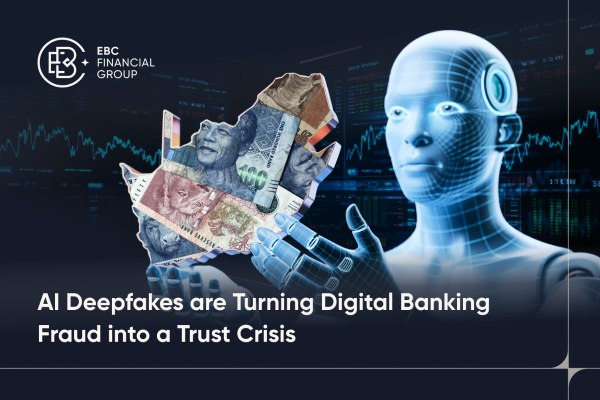
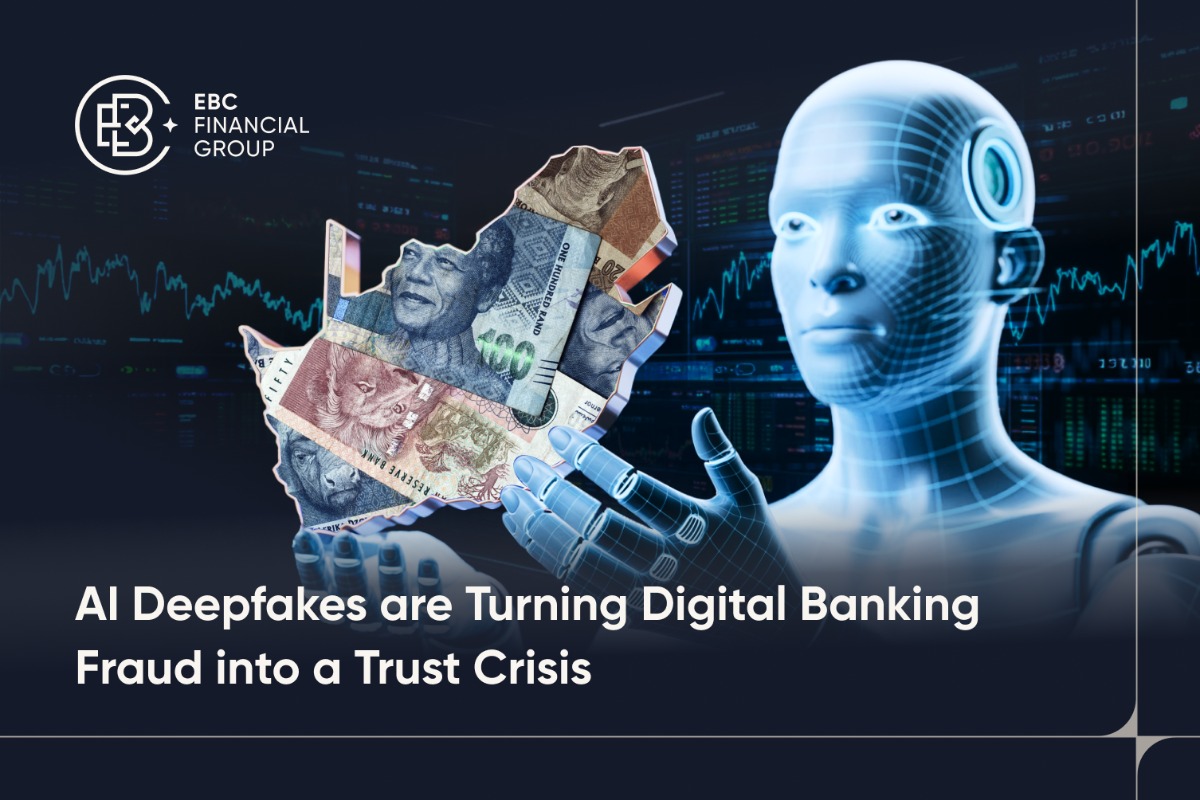
South Africa's shift to digital banking is
colliding with a new kind of fraud: AI-made voice and video scams that look and
sound real. In recent months, major institutions have warned the public about
deepfake investment content and impersonation tactics spreading on social media
and messaging apps, aimed at pushing people onto fake "platforms", fake
"advisers", and urgent payment requests. The scale is serious because digital
payments are now part of everyday life. PayInc (formerly known as
BankservAfrica) data shows electronic transactions hit an all-time high of 176.3
million in May 2025, while the value of electronic transactions reached R1.361
trillion in June 2025.
David Barrett, Chief Executive Officer at EBC Financial Group (UK) Ltd said, "Deepfakes change the rules because they remove the usual warning signs. When people cannot trust what they see or hear, scammers gain an unfair edge, and that can weaken confidence in the wider digital economy."
What is Happening Now in South Africa
Across South Africa, scammers are using AI to imitate trusted voices and faces, then pairing that with classic social engineering: urgency, secrecy, and promises of easy returns. Recent public alerts have pointed to deepfake investment videos and impersonation content designed to move victims from a social platform into a payment flow.
The pattern is showing up in the numbers. TransUnion reports South Africa saw a 1,200% spike in deepfake-linked fraud in 2023, while warning that audio and video impersonation scams are rising fast. SABRIC has also highlighted how these scams play out in real life, including a case where a victim was misled into investing over R6 million, and another where a victim lost over R100,000 after being drawn into a fraudulent broker-style set-up.
South Africa is innovating quickly, and that is a strength. But faster, easier payment journeys also create openings for criminals who exploit trust at scale. Visa has said contactless payments now account for over 60% of face-to-face payments in South Africa, showing how normal "tap-and-go" has become in daily life. Instant payments are also expanding. In PayInc's latest business reporting, PayShap recorded 329 million transactions worth R292.5 billion.
From EBC's perspective, deepfakes are not just a "scam story". They are a trust shock. When people fear that a video of a public figure, a bank executive, or a "support agent" might be fake, they hesitate. More checks, more disputes, and more delays raise costs across the system, from consumers and merchants to banks and payment providers.
Deepfake-enabled fraud is now part of a wider global pattern: identity deception, social engineering, and fast payment channels working together. In December 2025, INTERPOL's Operation Sentinel across Africa reported 574 arrests in 19 countries, about $3 million recovered, over 6,000 malicious links taken down, and cases linked to estimated losses exceeding $21 million. At the policy level, the Financial Action Task Force (FATF) published a horizon scan on AI and deepfakes on 22 December 2025, warning that these tools can lower the cost of impersonation and enable new fraud and financial crime patterns if controls do not keep pace.
Payments also do not stop at borders. Chainalysis' 2026 Crypto Crime Report introduction says illicit cryptocurrency addresses received at least $154 billion in 2025, underscoring how quickly criminal ecosystems can scale when trust and identity are compromised.
These steps are simple, but they work when applied consistently:
Pause before paying. Treat urgent payment requests as suspicious, especially if they came via social media or messaging apps.
Verify through a second channel. Call back using a trusted number, not the number in the message.
Do not install "investment" apps from links. Use official app stores and verified websites only.
Be wary of promised returns. Claims of "guaranteed" or unusually high profits are a common hook, including those using deepfake endorsements.
Barrett added: "The safest habit is verification. If the message is real, it will stand up to a basic cross-check. If it collapses under one question, it was never worth your money."
EBC Financial Group views education and verification as essential parts of modern financial safety. Traders should use regulated, transparent venues and confirm who they are dealing with before sharing personal details or sending funds. EBC encourages clients to use the EBC Official Verification Centre to check authentic EBC channels and links, and to build scam awareness through practical guidance, including "Are Forex Scams Real? What Every Trader Should Know" and "How to Know If a Forex Broker Is Legit or a Scam?" For those ready to trade, EBC advises using its regulated trading environment and published security information as a baseline for due diligence.
Disclaimer: This material is for information only and does not constitute a recommendation or advice from EBC Financial Group and all its entities ("EBC"). Trading Forex and Contracts for Difference (CFDs) on margin carries a high level of risk and may not be suitable for all investors. Losses can exceed your deposits. Before trading, you should carefully consider your trading objectives, level of experience, and risk appetite, and consult an independent financial advisor if necessary. Statistics or past investment performance are not a guarantee of future performance. EBC is not liable for any damages arising from reliance on this information.