Published on: 2026-09-03
Updated on: 2026-09-03
Every three months, publicly listed companies open their books and provide a detailed snapshot of their operating and financial health. However, the sheer volume of information can often cloud an investor's judgement.

Conducting a rigorous company assessment requires more than simply looking at the headline net income figure. Investors must understand and examine these reports in detail to assess the quality of earnings, the efficiency of capital allocation and, above all, the strategic direction communicated by management to shareholders.
This practical guide examines the fundamental pillars that every investor should consider when seeking to turn a quarterly report into a competitive advantage.
The first instinct of many investors is to look directly at earnings per share (EPS). Although EPS is a relevant metric, it is often subject to accounting adjustments that may distort the underlying reality.
A professional assessment should begin with revenue, which is the primary driver of growth. A sustained increase in sales; particularly when it is not driven solely by price increases—is one of the clearest indications of competitive strength.
Free cash flow (FCF) is another essential measure of a company's financial health. While net income can be affected by depreciation policies or extraordinary accounting adjustments, FCF shows how much actual cash the business generates after covering its operating expenses and capital expenditure (CAPEX).
If a company reports growing earnings while its FCF remains negative or repeatedly declines, this may represent a warning sign regarding the sustainability of its performance.
These figures should also be compared with changes in the company's operating margin to confirm whether revenue growth is effectively translating into greater efficiency.
One of the most frequently overlooked, and yet most valuable; sections of an earnings report is management's discussion and analysis, together with its forward-looking projections or guidance. This is where the company presents its view of the future.
Capital expenditure is particularly revealing and raises an important question: is the company investing heavily in maintaining its existing operations, or is it allocating capital to organic growth and innovation projects?
High CAPEX spending on technology or capacity expansion generally indicates that management is confident about future demand. By contrast, a sharp reduction in capital expenditure could suggest that the company is adopting a defensive strategy in response to an uncertain macroeconomic environment.
When analysing guidance, investors should also assess management's historical credibility. Does the management team tend to provide conservative projections and subsequently exceed them, or has it consistently failed to meet its own targets?
This track record not only helps investors adjust their expectations but also provides an indication of the company's operating momentum. A company's ability to guide the market effectively and deliver on its commitments is an important factor that may be rewarded with a higher valuation and stronger multiples over the long term.
The market is a forward-looking mechanism that continually prices in expectations. Quarterly results should therefore not be analysed in isolation but rather compared with analyst consensus estimates.
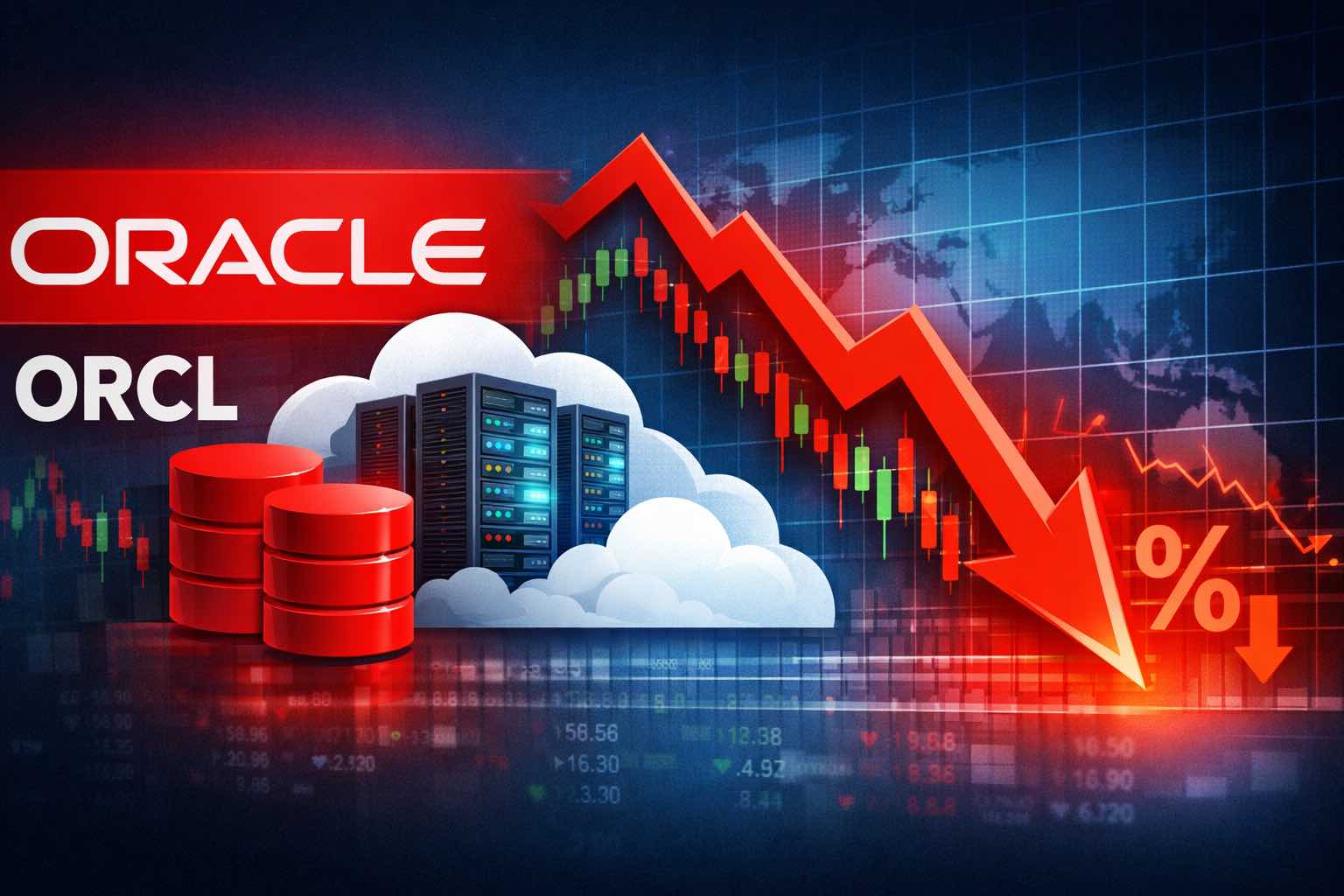
A company may report solid growth and still see its share price fall by 10% if its results fail to exceed market expectations or if its guidance for the following quarter disappoints investors. This is where momentum becomes particularly relevant.
Monitoring the share price reaction following an earnings announcement is essential. If a company exceeds expectations but its share price declines, the market may be pricing in structural problems that are not immediately apparent.
Conversely, if a company reports mediocre results but its share price rises, investors should consider whether the market is being overly optimistic about a recovery or whether there is underlying information that they may have overlooked in their analysis.
The key is to separate media noise from the asset's actual price behaviour, using technical analysis only to confirm the sentiment indicated by the company's fundamentals.
Interpreting quarterly earnings reports effectively is a matter of discipline, not intuition.
Company assessment is an iterative process: each quarter provides a new piece of a much larger puzzle. By focusing on critical indicators such as adjusted EPS, free cash flow generation, prudent capital expenditure and performance relative to consensus expectations, investors are not merely reading reports—they are building a solid investment thesis.
Excellence in investing lies in the ability to look beyond immediate volatility and understand a company's genuine capacity to generate compounding economic value over time.