Published on: 2026-09-04
Updated on: 2026-09-04
Zscaler stock surged to $201.21 after its fiscal fourth-quarter results, then erased the entire gain and slipped below its $177.80 regular-session close. The earnings beat justified the initial surge, but fiscal 2027 guidance weakened the case for continued Q4 acceleration. Net-new ARR excluding Red Canary grew 17% in Q4, while the midpoint of the full-year ARR outlook implies only about 4% growth in net-new ARR.
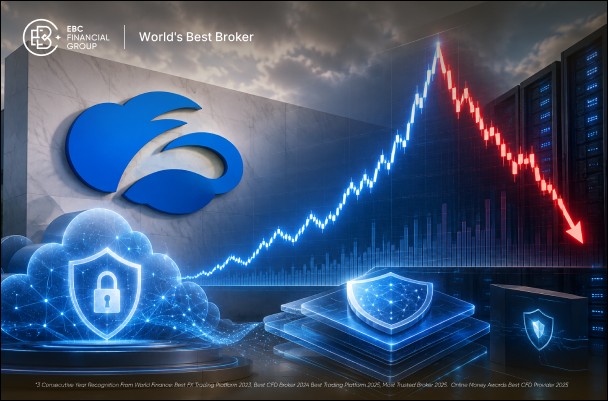
Revenue rose 25% year over year to $898.2 million, adjusted EPS beat expectations at $1.19, and Q1 revenue guidance came in ahead of consensus. Fiscal 2027 ARR guidance was less supportive of the acceleration Zscaler had just reported.
Zscaler ended fiscal 2026 with $3.771 billion of ARR. Excluding Red Canary, net-new ARR reached $232 million in Q4 and grew 17% year over year. The company guided fiscal 2027 ARR to $4.396 billion to $4.426 billion, equivalent to total ARR growth of 16.6% to 17.4%.
On the earnings call, Oppenheimer analyst Ittai Kidron calculated that the midpoint of that outlook implies only about 4% growth in net-new ARR. CFO Kevin Rubin responded by pointing to sales leadership transitions and the pace of the integrated SecOps rollout as factors incorporated into the forecast.
| ARR signal | Growth |
|---|---|
| Q4 net-new ARR excluding Red Canary | 17% YoY |
| FY2027 implied net-new ARR growth | ~4% |
A full-year outlook carrying substantially less incremental ARR growth made the $200-plus after-hours valuation harder to sustain. Zscaler still expects ARR and revenue to grow roughly 17% in fiscal 2027, leaving the company at a substantial double-digit growth rate. The pressure came from the change in momentum, with the outlook offering less evidence that Q4’s stronger net-new ARR trajectory would persist through the year.
Zscaler expects just 37% of fiscal 2027 net-new ARR to arrive in the first half, including 15% in Q1. Most of the year’s incremental ARR is therefore weighted toward stronger execution later in the fiscal year.
Part of that phasing reflects changes in the sales organization. Two sales leaders departed during the previous quarter, and Zscaler has already filled one of the roles internally. Management has incorporated the remaining transition into its fiscal 2027 outlook.
Agentic SecOps is also expected to contribute gradually rather than immediately. Red Canary’s technology is being integrated into the broader offering, and Zscaler expects no standalone net-new ARR contribution from Red Canary during fiscal 2027. The growth contribution increasingly depends on how quickly the integrated product gains traction.
Underlying demand indicators remained firm entering the year. Net revenue retention held at 115% throughout fiscal 2026, while the Security for AI pipeline expanded 75% sequentially in Q4. Those figures keep the focus on execution timing rather than an obvious break in demand.
At $201.21, Zscaler traded at roughly 41 times the midpoint of its $4.86 to $4.90 fiscal 2027 non-GAAP EPS guidance, compared with about 36 times at the $177.80 regular-session close.
That higher multiple left less room for the execution uncertainty already embedded in the fiscal 2027 outlook. At that valuation, continued sales improvement and stronger FY2027 momentum became more important to sustaining the price.
Zscaler then fell from its $201.21 after-hours high to about $174.25, below the regular-session close. Thinner order books and wider spreads can intensify price movements outside normal trading hours, making the first reaction easier to overshoot in either direction. After-hours liquidity can explain the velocity of the reversal, not its direction.
Zscaler approved a restructuring on September 1 that will reduce its global workforce by approximately 3% and generate an estimated $30 million to $33 million of charges, mostly during the first half of fiscal 2027. The company said the restructuring is intended to redirect resources toward AI and other growth initiatives.
Neither the filing nor management’s earnings-call commentary links the workforce reduction directly to the after-hours reversal. The restructuring instead shows Zscaler placing greater strategic weight on AI security and Agentic SecOps while reshaping its cost base. The layoffs add context to the company’s FY2027 execution story without establishing the cause of the selloff.
Fiscal 2027 now has to show whether Q4’s net-new ARR acceleration marked the start of a stronger trajectory or a temporary high before the slower first half embedded in guidance.
The clearest test will be net-new ARR as Zscaler’s sales transition progresses and Agentic SecOps begins contributing. Growth materially above the roughly 4% pace implied by the current full-year ARR outlook would make management’s guidance look increasingly conservative. A result closer to that pace would make the retreat from $200 easier to justify on valuation grounds.