Published on: 2026-09-16
Updated on: 2026-09-16
Microsoft (MSFT.OQ) has introduced a temporary code of conduct to restrict its AI models, arriving shortly after executives from Anthropic and OpenAI agreed to decelerate development.
While calls from AI executives to slow tech development could briefly drag down chipmaker and supply-chain shares, strong ongoing spending on computing infrastructure will likely prevent long-term damage.
Certain investors contend that a more measured pace of AI development could benefit the industry by allowing firms sufficient time to monetize and maximize returns on their existing infrastructure investments.
The 10-year Treasury yield has climbed to its highest level since 2007 as surging energy prices stoke expectations of further rate hikes. This has intensified pressure on Big Tech with massive debt loads.
The one-month rolling correlation between front-month WTI crude (XTIUSD) and the benchmark yield has climbed to 0.96, according to BMO Capital Markets. Geopolitical risks have taken center stage in the markets.
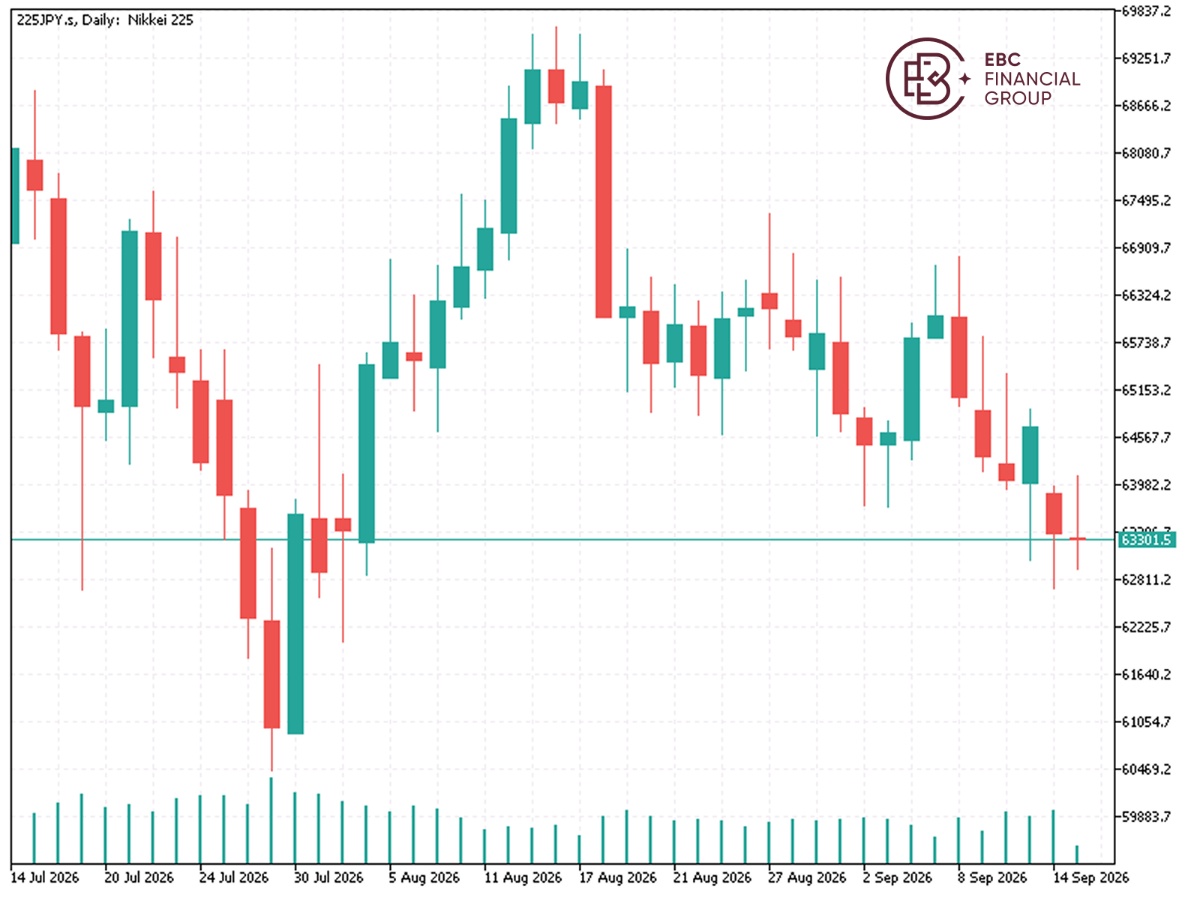
Japan and South Korea shares remain in the negative territory in September as both relies heavily on oil imports from the Middle East. The Nikkei 225 was down roughly 4% as of 15 September.
SoftBank Group plummeted following news that OpenAI would not pursue an IPO this year. The market's concentration in the upstream "picks and shovels" of the AI industry also takes a toll.
SK Hynix announced last month it would buy back and cancel 40 trillion won in treasury shares, while dedicating over 50% of its free cash flow from 2025 to 2027 to increase shareholder returns.
CLSA analyst Sanjeev Rana noted that the buyback is highly likely to meet investor expectations, especially since the company could roll out additional share repurchases and special dividends down the road.
"We believe the worst is behind us and expect share price sentiment to improve gradually from a medium-term horizon and recommend investors to accumulate the stock," said JPMorgan analyst.
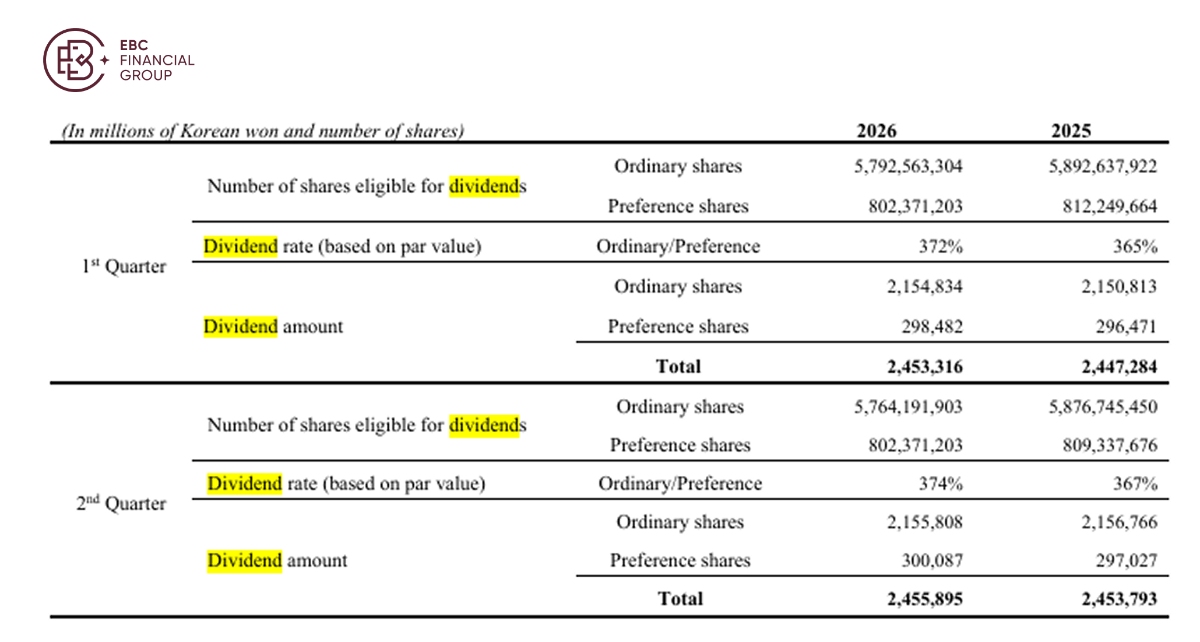
Likewise, Samsung Electronics has announced it would pay around 30 trillion won in cash dividends in Q3, including its regular quarterly dividend. It expects shareholder returns to total between 90 - 110 trillion won in 2026.
The company has reportedly raised prices for some advanced contract chipmaking services by up to 15% for new orders as demand for AI chips has booked up much of TSMC's leading-edge capacity.
Rising sales to major customers, along with demand for HBM base dies, are expected to help lift its foundry revenue by more than 10% in the second half from a year earlier and swing the business into profit.
Valuations for SK Hynix and Samsung Electronics remain historically low, especially when compared to their global semiconductor peers. Therefore, iShares MSCI SOUTH KOREA ETF (EWY.P) may have yet peaked.
On Wednesday, Barclays lifted its year-end target for the S&P 500 (SPXUSD) to 7,950 from its previous projection of 7,800. The upward revision follows an exceptionally strong corporate earnings season driven primarily by technology giants.
LSEG data reveals that 86% of the 492 reporting S&P 500 firms topped profit expectations, a success rate well above the 67.5% long-term historical norm—far exceeding the historical long-term average of 67.5%.
Similarly, HSBC raised the target to 8,100 from 7,650, citing corporate earnings that have exceeded its previous expectations. The bank remains positive on technology, financials and industrials.
Barclays also downgraded the utilities sector to "neutral" from "positive" due to regulatory uncertainties. Key concerns include intensifying pushback against data centre permits in several US states.
America's rapid data centre expansion will require $110 billion in investment to construct for new power capacity by 2030, according to Moody's Ratings. The vast majority of that supply will come from natural gas (XNGUSD).
Utility companies can capture guaranteed long-term infrastructure profits through regulated rate-base expansions. Those in the S&P 500 reported a year-over-year Q2 earnings growth rate of 13.4%, according to Factset.
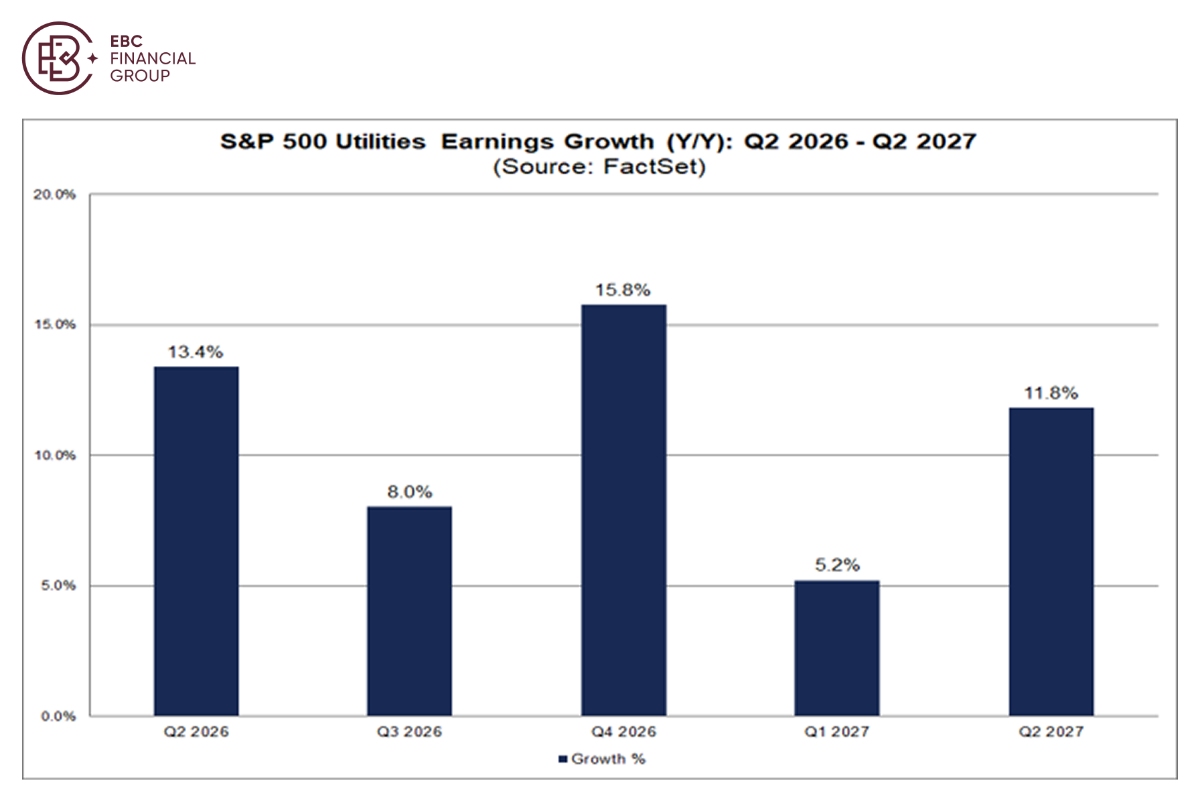
The Utilities Select Sector SPDR Fund (XLU.P) is in the red this year, snapping two years of torrid rally. We recommend buying the dip given its forward P/E ratio around 17 and high dividend payout ratio.