Published on: 2026-08-13
Updated on: 2026-08-13
The FTSE 100 (100GBP) hit a historic peak July, successfully recovering from the market drop caused by the Iran conflict. This strong rebound was largely due to the UK stock market's minimal reliance on the tech sector.
That coincided with a severe sell-off in semiconductor stocks, briefly pushing the tech-heavy Nasdaq 100 (NASUSD) into correction territory as investors pulled away from memory chip manufacturers.
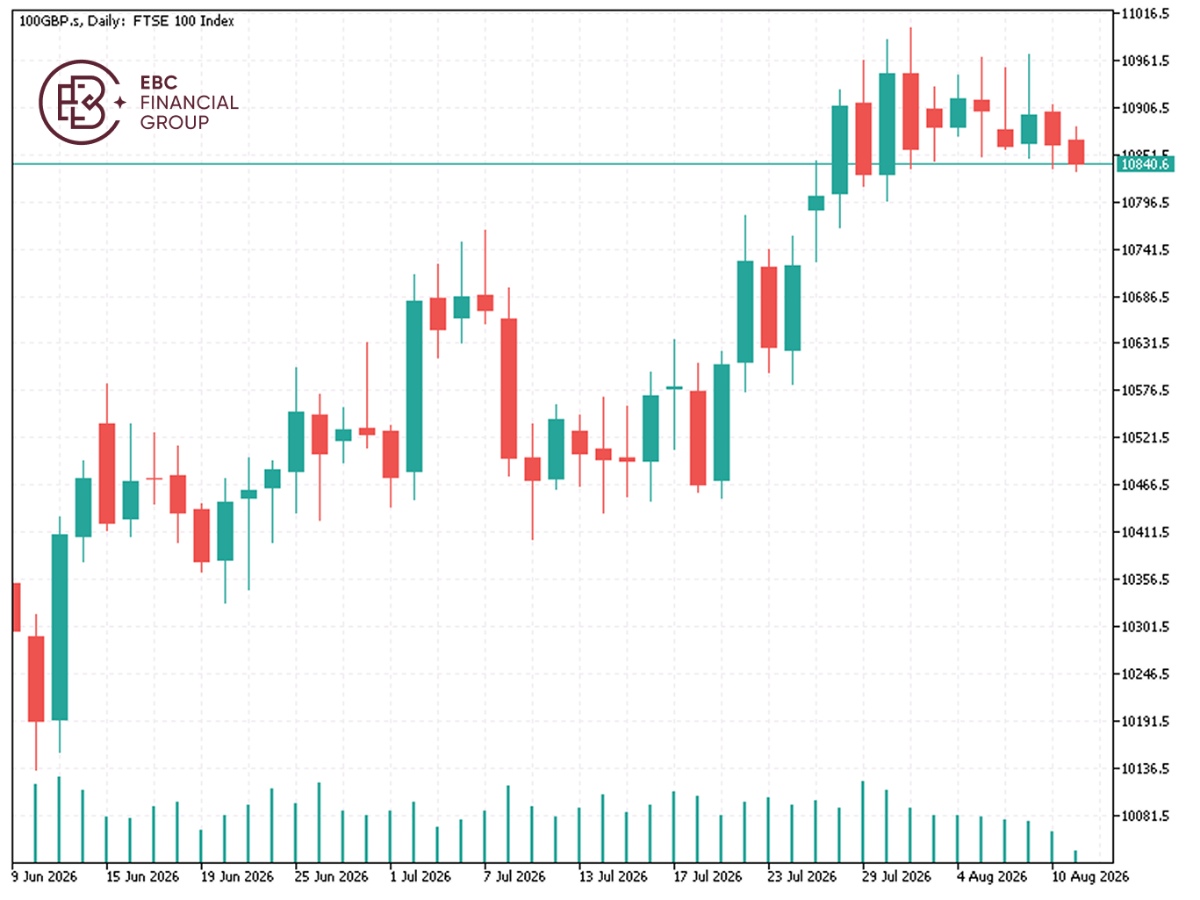
The index is "anti-momentum, anti-tech", said Emmanuel Cau, head of European equity strategy at Barclays. Financial and energy stocks account for a massive chunk of what is labelled unloved.
Arm, the major British semiconductor giant, began to float on the Nasdaq in 2023. The decision to dismiss a London listing was made due to the US valuation premium and stricter UK regulatory hurdles.
A strong run for banking stocks has been crucial to the FTSE's recent rally. HSBC, Lloyds, Standard Chartered, NatWest and Barclays have been performing well this year amid increasing global borrowing costs.
The sector also propelled Stoxx 50 (E50EUR) to a fresh high this week. HSBC's chief multi-asset strategist Max Kettner expects continued outperformance driven by robust earnings forecasts.
The FTSE 100 outperformed German and French markets because it has less exposure to struggling consumer discretionary sectors like luxury goods and carmakers, according to Société Générale's.
The UK's listed oil groups have benefited from higher energy prices. Experts warn that the current disconnect between suppressed oil prices and the fading prospects of a quick reopening of the Strait of Hormuz may not last.
The Trump administration on Monday extended its Jones Act suspension for domestic port shipping but restricted the waiver exclusively to vessels transporting specific energy resources.
An agreement with Washington and Tehran is yet to materialise. Both sides are now demanding reparations for claimed damages, creating a fresh sticking point in the ongoing negotiations.
A Jefferies analyst warned that oil prices are unlikely to remain calm much longer if the current geopolitical situation persists through "the end of this week or into next week".
The impasse could deplete OECD oil inventories rapidly and push the oil market to a critical tipping point by early Q4, potentially driving prices up to $120–$140 per barrel, according to Capital Economics.
A key question is how long China is prepared to be the balancing force for crude oil in Asia. September imports could be more revealing, as flows from the Middle East become more constrained.
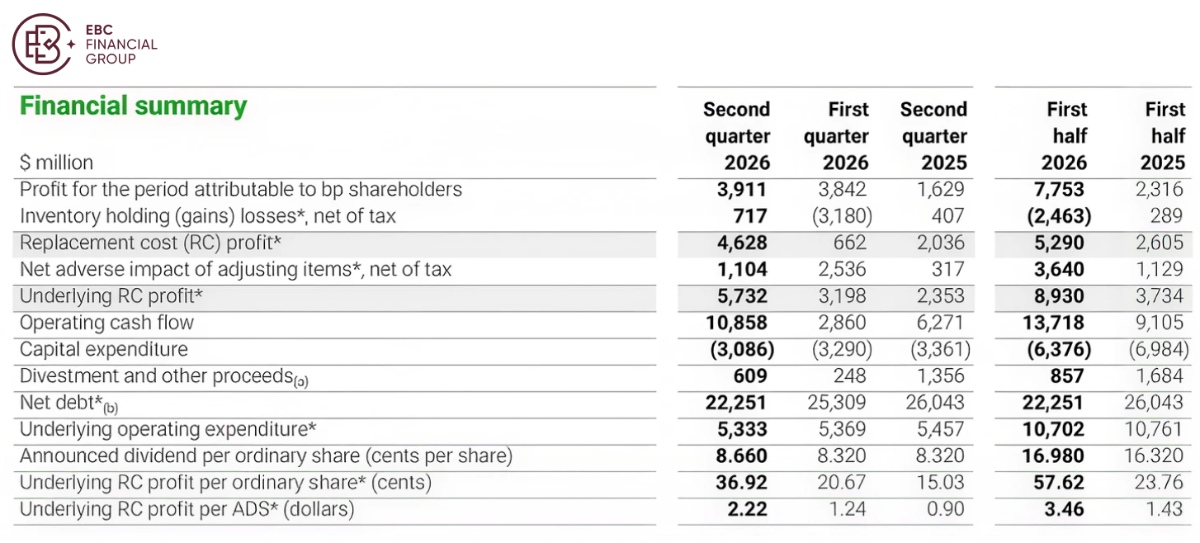
Both BP and Shell have released heavily updated full-year financial and production guidance following their Q2 earnings results, additionally driven by a strategic pivot away from lower-margin renewables.
Russian forces are hitting Ukrainian cities with more missile strikes lately to take advantage of Kyiv's shortage of air defence missiles. Zelenskiy has said up to 50,000 North Korean soldiers will be deployed in Russia for the war.
Russia has begun importing petrol from India for the first time ever to cope with an acute domestic fuel crisis caused by devastating drone strikes on its oil refineries, signalling the country's economic pains.
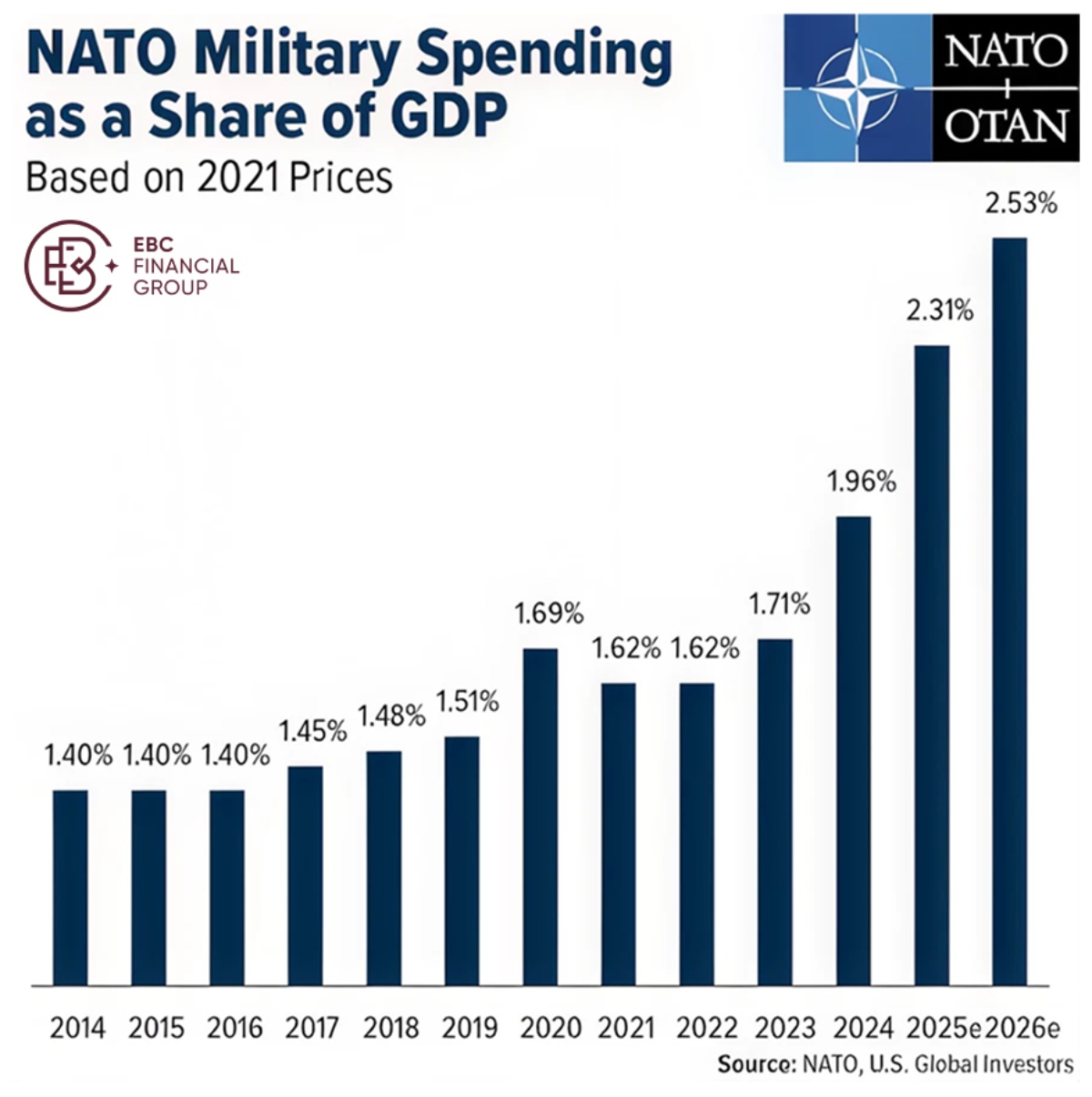
Rising European and NATO military spending is driving a boom in the UK defence companies. Rolls-Royce Holdings proves to be the biggest beneficiary, with its share price soaring nearly 1300% over the past five years.
International wide-body travel rebounded completely to pre-pandemic levels across 2024 and 2025. The company also expects governmental OEM revenue to grow 25% annually through 2030, fuelled by key framework deals.
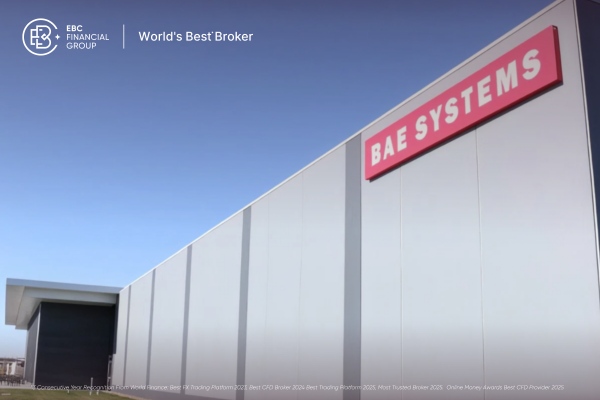
Likewise, BAE Systems said in February a "new era" of defence spending would drive its growth for years to come after reporting a 12% rise in operating profit for 2025 and a record £83.6 billion order backlog.
The contractor's products include the advanced infrared seeker, which serves as the "eyes" and core guidance component for the THAAD missile system – key interceptors defending Israel and Gulf states at the moment.
Besides foreign bidders are targeting London-listed firms with "bear hug" tactics, capitalizing on chronically low stock valuations to drive a wave of multibillion-dollar buyouts. It likely gives a short-term boost.