Published on: 2025-12-10
Updated on: 2025-12-10
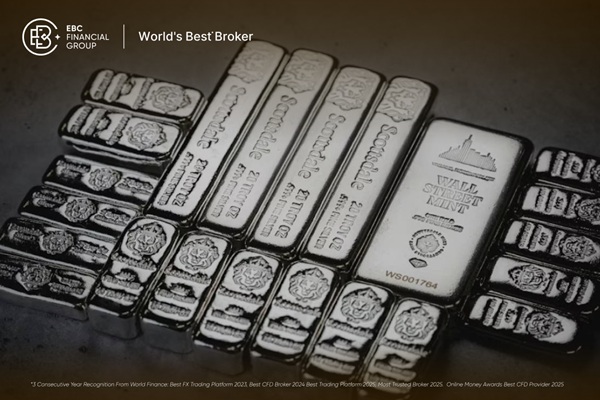
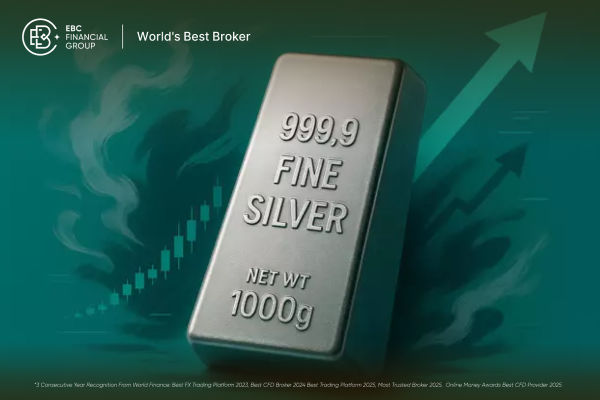
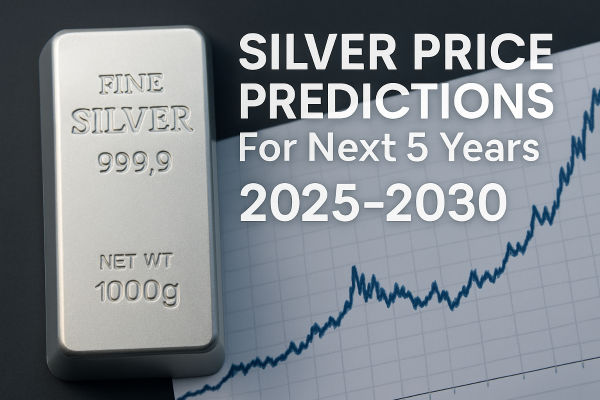
Silver has surged 5% to approximately $61/oz, hitting fresh record highs and reigniting investor interest around the globe.
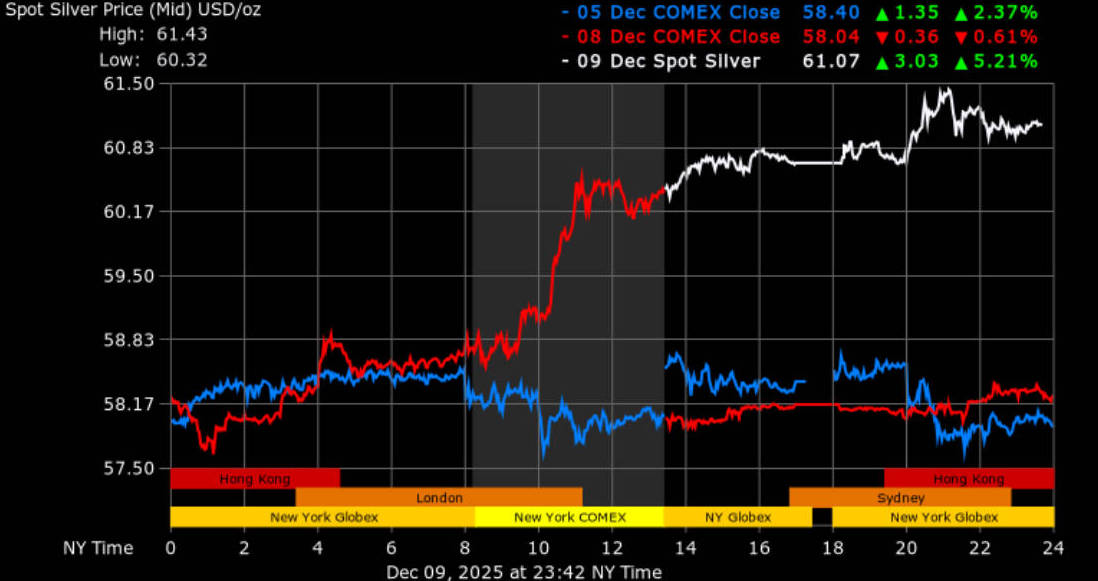
This surge is underpinned by acute physical shortages, booming industrial demand and growing expectations of interest-rate cuts. The confluence of these factors has triggered a decisive and broad-based rally in the end of 2025.
Silver has demonstrated a robust performance across multiple timeframes, reflecting both short-term momentum and long-term strength. Recent market reports show spot silver trading above $60 per troy ounce, with gains underpinned by supply constraints and rising industrial and investment demand.
| Change | Amount | % |
|---|---|---|
| Today | 3.03 | 5.23% |
| 30 Days | 7.12 | 13.99% |
| 6 Months | 21.9 | 60.62% |
| 1 Year | 26.04 | 81.35% |
| 5 Year | 34.1 | 142.46% |
| 20 Years | 49.04 | 544.63% |
The 5.06% increase in silver today highlights pronounced short-term volatility and strong investor appetite.
Sudden price jumps are often driven by speculative activity and shifts in market sentiment, which can amplify daily gains in both bullish and bearish conditions.
Over the past 30 days, silver has advanced nearly 14%, reflecting steady accumulation by market participants.
This monthly gain demonstrates the metal's sustained momentum beyond one-off daily spikes and indicates robust demand across both investment portfolios and industrial users.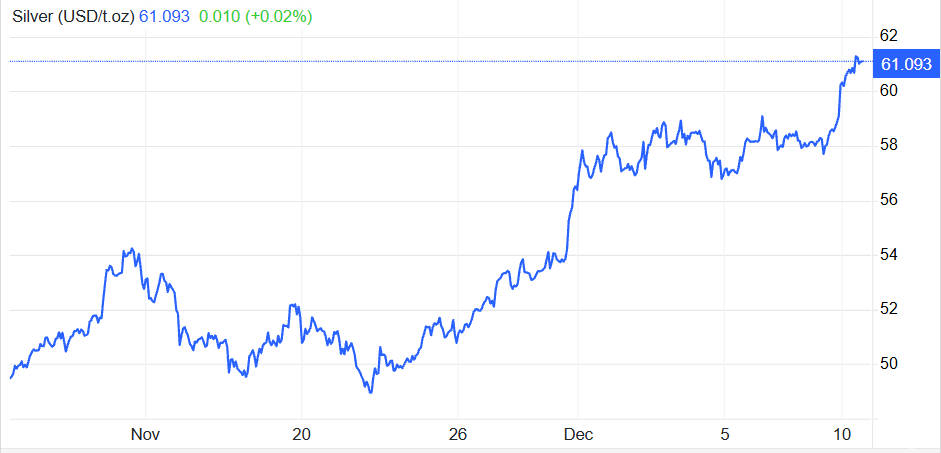
Over six months, silver has surged 60.62%, signaling an exceptionally strong rally in the context of historical norms.
Such gains typically arise from a combination of persistent supply shortages, rising global industrial production, and heightened interest from investors seeking alternatives to traditional assets.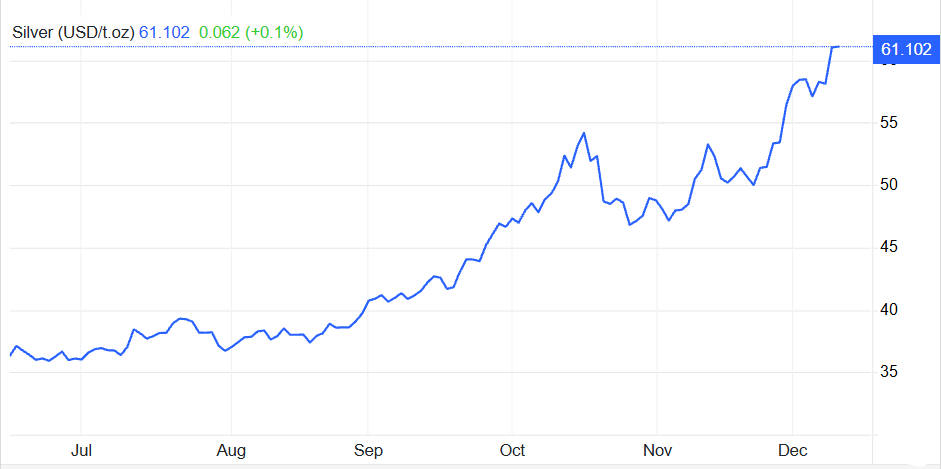
Silver's one-year gain of 81.35% underscores a pronounced uptrend and highlights its ability to outperform many other commodities and traditional financial instruments.
This period captures both cyclical industrial demand and broader macroeconomic factors, including inflation concerns and portfolio diversification strategies.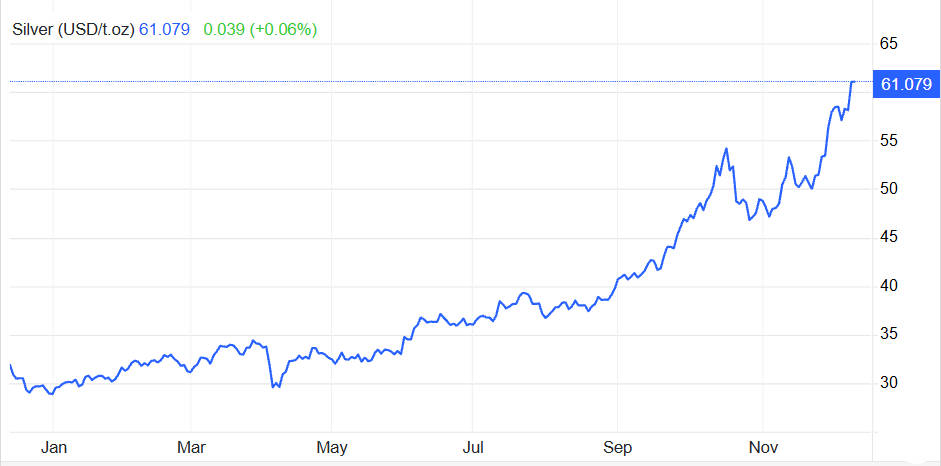
Over five and twenty-year horizons, silver has delivered 142.46% and 544.63% gains respectively. These long-term figures reflect the metal's enduring value as a hedge against currency fluctuations, inflation, and financial uncertainty.
Investors looking at multi-year trends can see silver as both a store of wealth and a growth asset, offering protection and appreciation potential simultaneously.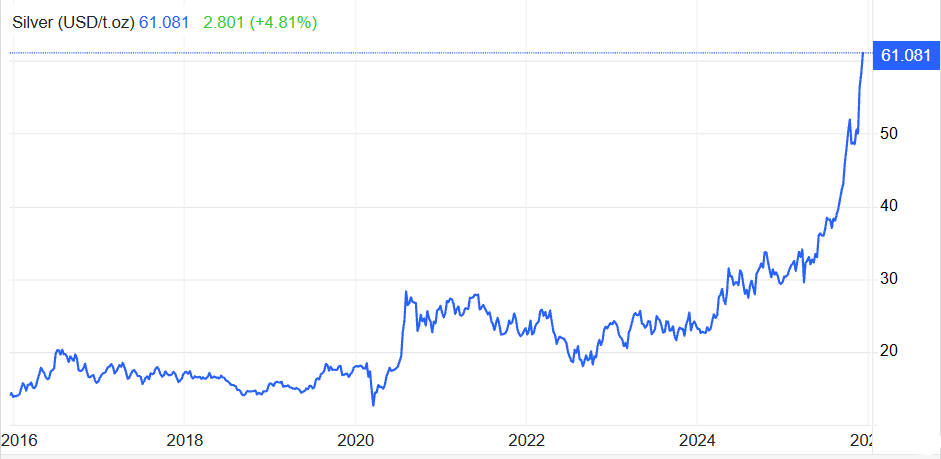
There are several overlapping drivers that explain the recent record levels.
Solar panel manufacturing and other industrial uses require significant quantities of silver. Growth in renewable energy and electronics has raised industrial consumption.
Analysts and the Silver Institute document structural shortfalls in silver supply for 2025. Mining is constrained and much silver is produced as a byproduct of base metal mining, which limits rapid volume increases.[1]
Exchange traded funds and retail investors have been net buyers of physical silver and silver products, increasing demand for bullion and ETFs. Recent reports highlight record ETF inflows sustaining the rally.
Market pricing reflects bets on interest rate cuts by the Federal Reserve and a weaker US dollar, both of which tend to support precious metal prices. News coverage ties the rally to rate cut expectations.
The listing of silver as a critical mineral in some jurisdictions and potential trade policy measures have prompted stockpiling and regional shortages in parts of the market.
Continued industrial demand growth, especially in solar and electronics, combined with slower mine supply growth, could sustain higher prices. Anticipated Fed rate cuts and a weaker dollar would add upward pressure.
Stronger than expected mine output or an abrupt fall in ETF demand could pause the rally and produce a multi week consolidation. Seasonal demand patterns and modest profit taking may cap gains.
If the dollar strengthens sharply or industrial demand falls due to a global slowdown, silver could correct significantly from current highs. Policy surprises such as tariffs that disrupt trade flows could also weigh on prices.
Volatility.
Record rallies are often accompanied by sharp intraday moves. Standard Chartered and other banks warn of elevated near term volatility.
Supply responses.
If miners expand output or recycling increases meaningfully, the supply deficit could narrow. Mining lead times mean this is not immediate but it remains a medium term risk.
Policy changes.
Tariffs or critical minerals policy moves may distort regional supplies and prices. Markets respond quickly to such announcements.
Macroe surprises.
Faster than expected US growth or firming rate expectations would likely reduce precious metal appeal relative to risk assets.
Silver now trades at historically high levels, supported by real physical market tightness and sizeable investment inflows.
Short term trading is likely to remain volatile. Use risk management and sizing discipline when participating in the market.
Long term investors who view silver as a hedge against inflation and an industrial metal may find the long term case intact if supply deficits persist. The Silver Institute and other analysts point to structural shortfalls in 2025.
Silver hit a new high because physical shortages, record ETF inflows and strong industrial demand combined with expectations of US rate cuts and a weaker dollar to push prices above previous resistance.
Yes. In 2025 silver has outpaced gold in percentage terms, driven by stronger industrial demand and acute supply constraints that have amplified silver moves relative to gold. Market coverage confirms larger percentage gains for silver.
It is not necessarily too late. The outlook depends on your time horizon and risk tolerance. For long term investors the structural deficit supports the case. Short term traders should expect elevated volatility.
Solar photovoltaic manufacturing is the largest driver, followed by electronics and electric vehicle components. Growth in green technology and semiconductor usage has materially lifted industrial silver consumption in 2025.
Use position sizing and stop loss rules, avoid overconcentration and consider diversifying with other assets. Monitor ETF flows, mining output reports and macro data that influence interest rate expectations and the US dollar.
Silver has entered a phase of heightened market prominence. The current record levels reflect a genuine convergence of industrial demand and constrained supply while macro expectations have increased investor interest.
Whether for trading or long term allocation, discipline and careful monitoring of supply and macro catalysts will be essential. Market coverage from Reuters, the Financial Times and specialised industry bodies confirms that the price action is rooted in observable fundamental shifts.
Sources:
Disclaimer: This material is for general information purposes only and is not intended as (and should not be considered to be) financial, investment or other advice on which reliance should be placed. No opinion given in the material constitutes a recommendation by EBC or the author that any particular investment, security, transaction or investment strategy is suitable for any specific person.