Published on: 2025-03-17
Updated on: 2025-11-12
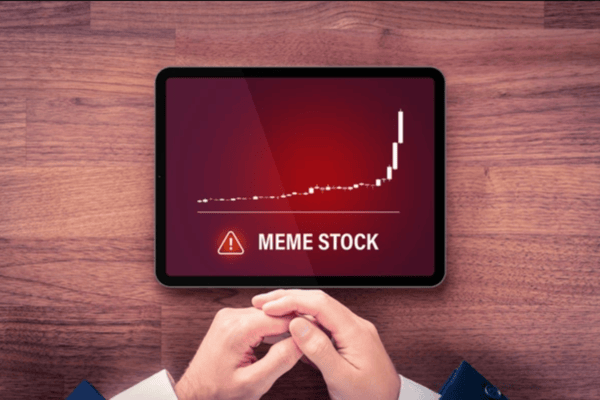
From GameStop to AMC Entertainment, headlines in recent years have been dominated by wild stories of meme stocks surging overnight.
Driven by decentralized online communities and a massive wave of social media buzz, this phenomenon has fundamentally changed how many view market forces, captivating the financial world and demonstrating the collective power of retail traders.
For the modern trader, meme stocks promise exhilarating opportunities for rapid gains while posing significant, and often misunderstood, risks.
This comprehensive guide will dive into the key insights, the immense appeal, and the major risks associated with meme stock trading. We start with the most basic question of all: What exactly is a Meme Stock?

A meme stock is a publicly traded company's equity that experiences massive, swift price and volume volatility driven primarily by social momentum and coordination among the retail investor community, rather than by traditional financial health or business performance.
These stocks gain popularity and notoriety through platforms like Reddit, Discord, and X, effectively bypassing established financial news and analysis channels.
While sophisticated tools like AI-driven investment algorithms seek to minimize risk and optimize based on data, meme stocks thrive in the unpredictable realm of pure market sentiment and online hype, posing a unique, high-stakes risk category for the contemporary trader.
While the original meme stock frenzy centered on a handful of highly shorted companies in 2021, the market has evolved. Below are four of the most notable names continuing to define the meme stock trend today.
| Stock Name | Ticker Symbol | Notable Surge Period | Key Drivers (Simplified) | Approximate Price (Nov 2025) |
|---|---|---|---|---|
| GameStop Corp. | GME | 2024 – 2025 | Profitability return, Bitcoin treasury pivot & high short interest | ~$21.50 |
| AMC Entertainment Holdings, Inc. | AMC | 2024 – 2025 | Strong retail loyalty & social-media hype, despite high corporate debt | ~$2.59 |
| SoundHound AI, Inc. | SOUN | 2025 | Speculative retail interest in its AI technology & role in the AI boom | ~$17.00 |
| Reddit, Inc. | RDDT | 2024 – 2025 | Post-IPO volatility driven by its own retail user base | ~$194 – $204 |
*Prices are approximate and reflect recent available data; always check the current quote before making any decisions.

Meme stocks appeal to individual investors due to their traction through social media, particularly appealing to emotions like the fear of missing out (FOMO) and the desire for quick wealth.
Younger investors often turn to these volatile investments in response to economic pressures.
However, their reliance on online hype rather than company fundamentals makes them highly speculative.
While they offer potential for rapid gains, they are generally not considered a viable, long-term investment due to the dramatic price swings based on trending discussions rather than financial health.
Meme stocks and traditional growth stocks represent two very different approaches to investing.
While growth stocks are evaluated based on financial performance, revenue trends, and long-term potential, meme stocks are driven primarily by online sentiment, social media buzz, and retail enthusiasm.
This distinction creates a stark contrast in volatility. Meme stocks can experience dramatic price swings in a single day, while traditional growth stocks tend to move more gradually, reflecting company fundamentals.
| Aspect | Meme Stocks | Traditional Growth Stocks | Strategy Tip |
|---|---|---|---|
| Volatility | High, rapid price swings | Moderate, steady movements | Balance portfolio with a mix of both |
| Drivers | Social-media-driven hype, retail sentiment | Company fundamentals, revenue growth | Allocate small portion to meme stocks for high-reward potential |
| Risk/Reward | High risk, potential for quick gains | Lower risk, gradual appreciation | Use mixed strategy to manage risk while capturing opportunities |
For traders and investors, balancing short-term speculation with long-term portfolio goals is crucial.
Some may allocate a small portion of capital to high-risk meme stocks for potential rapid gains, while keeping the majority in fundamentals-driven growth stocks to ensure stability and diversification.
Investors employ different strategies when trading meme stocks:
Buy and Hold: Purchasing shares and holding onto them, hoping for sustained price increases driven by market enthusiasm.
Short Squeeze Targeting: Buying shares of a heavily shorted stock to force short sellers to cover their positions, driving prices higher.
Momentum Trading: Capitalizing on short-term price surges by entering and exiting positions quickly to benefit from volatility.
Meme stocks expose traders to heightened risks:
Extreme Volatility: Rapid price movements that may not align with a company's fundamental value.
Unsustainable Hype: Many meme stocks fail to sustain their hype, resulting in significant downturns once the online buzz fades.
Liquidity Risks: Investors should be mindful of the potential for sharp declines and difficulty in exiting a position.
The meme stock phenomenon gained traction during the COVID-19 pandemic, fueled by increased retail participation and the rise of commission-free trading platforms. The internet and social media amplified the promotion of stocks through memes and online communities.
Online communities, particularly Reddit's WallStreetBets, became central hubs where retail investors discussed stock picks, coordinated buying efforts, and successfully challenged institutional investors.
This collective action led to unprecedented surges in stocks like GameStop (GME) and AMC Entertainment (AMC), showcasing the power of collective investor sentiment.
Hedge funds and institutional investors have since begun monitoring these social media trends to anticipate and respond to retail-driven movements.
Retail investor participation remains strong in 2025, but the landscape is evolving. Instead of purely organic Reddit‑fueled surges, algorithmic tools now track sentiment, short interest, and social media chatter in real time to identify potential meme setups.
This has made meme stock moves faster and more pattern‑driven, though outcomes remain unpredictable.
Investors should be mindful of key headwinds, including regulatory risks as authorities scrutinize social media–driven trading, potential fatigue among retail traders, liquidity constraints in stocks with small floats, and ongoing disconnects between valuation and business fundamentals.
Given the inherent volatility of meme stocks, disciplined capital allocation and emotional management are essential to navigate this high-risk, high-reward market.
A meme stock is a publicly traded stock driven primarily by online hype and market sentiment, rather than fundamental analysis. Due to its speculative nature, it is not considered a real long-term investment.
Yes, you can invest in meme stocks, but they are highly speculative. Whether they are a good investment depends on an individual's risk tolerance and investment strategy.
Yes, Roundhill Investments has introduced a "meme stock ETF" that aims to capture the performance of these volatile stocks.
The main drivers are social media sentiment, online community discussions, and the potential for a short squeeze.
Meme stocks have transformed the investment landscape, driven by online communities and social media. While they present opportunities for rapid gains, their speculative nature makes them highly unpredictable.
Investors should approach meme stock investing with caution, diversify their portfolios, set clear entry and exit strategies, and avoid investing money they cannot afford to lose.
Disclaimer: This material is for general information purposes only and is not intended as (and should not be considered to be) financial, investment or other advice on which reliance should be placed. No opinion given in the material constitutes a recommendation by EBC or the author that any particular investment, security, transaction or investment strategy is suitable for any specific person.