Published on: 2025-12-15
Updated on: 2025-12-15
Commodities brokers play an essential role in the global financial markets by facilitating the buying and selling of raw materials. These markets include energy commodities like oil and natural gas, precious metals such as gold and silver, agricultural products like wheat and coffee, and industrial metals such as copper and aluminium.
For both individual traders and institutions looking to profit from these markets, commodities brokers are crucial for providing access to trading platforms, facilitating transactions, and offering market analysis. As a typical example, brokers like EBC Financial Group help clients navigate the complexities of commodity trading by offering professional services and access to global markets.
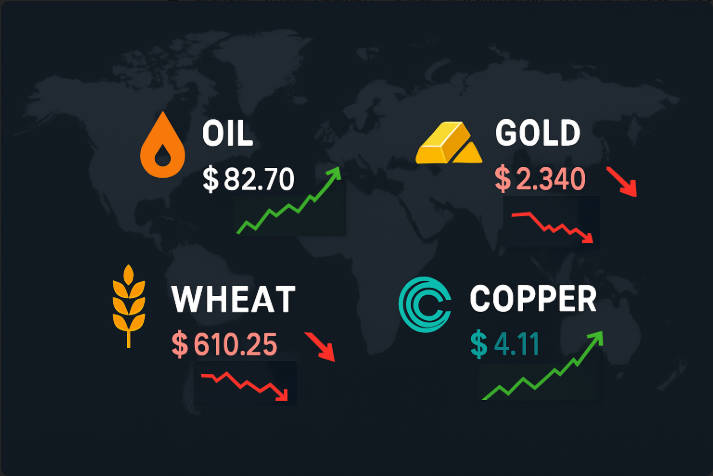
Commodities brokers serve as intermediaries between buyers and sellers in commodity markets. Their role is pivotal in executing trades, offering risk management solutions, and providing market insights.
Execution of Trades: Brokers help clients execute trades based on current market conditions, ensuring the buying and selling of commodities happens efficiently.
Risk Management: Commodities brokers offer various tools to help clients manage the risks associated with volatile markets, such as futures contracts and options.
Market Analysis: Brokers provide regular updates, forecasts, and research, helping traders stay informed about factors that influence commodity prices, such as geopolitical events or economic trends.
Regulatory Compliance: Ensuring that all trades are conducted fairly and in compliance with industry regulations, safeguarding clients' investments.
There are several key advantages to using a commodities broker. These professionals make trading accessible and manageable, providing access to a wide range of global markets.
Access to Global Markets: Brokers like EBC Financial Group provide clients with the tools to access markets for a variety of commodities globally, enhancing the trading experience.
Expert Guidance and Insights: A broker’s industry expertise is invaluable. They help traders make informed decisions by offering timely analysis and risk management strategies.
Liquidity and Competitive Pricing: Brokers ensure liquidity in markets, allowing traders to buy and sell commodities efficiently without experiencing significant price slippage.
Advanced Trading Platforms: Brokers offer powerful trading platforms with real-time data, charts, and automation, enabling traders to execute orders swiftly and with greater accuracy.
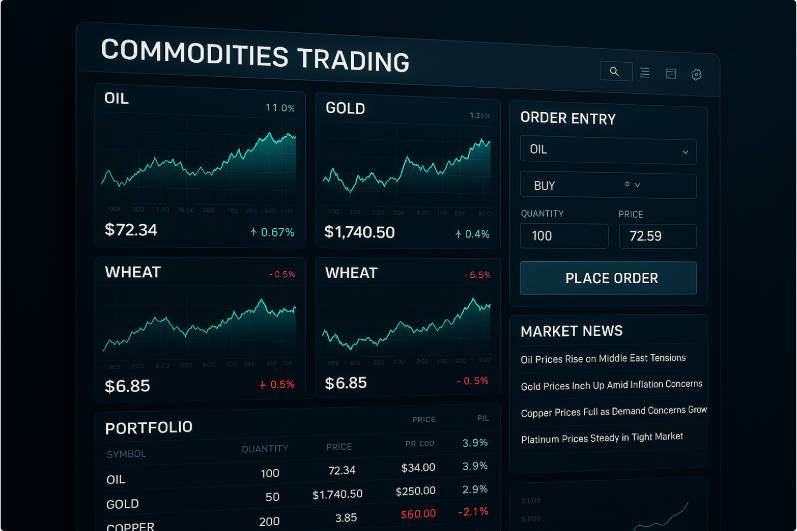
Commodities brokers enable access to a wide variety of trading instruments, each of which is influenced by unique market forces. These are the major categories of commodities commonly traded:
Energy Commodities: These include oil, natural gas, and coal. Energy markets are closely tied to geopolitical factors and global economic conditions.
Precious Metals: These commodities, such as gold, silver, platinum, and palladium, are often used as safe-haven assets during times of economic uncertainty.
Agricultural Commodities: Crops like wheat, corn, coffee, and cotton fall under this category, with prices often affected by seasonal variations and global supply chain issues.
Industrial Metals: Copper, aluminium, and nickel are common industrial metals that play a critical role in sectors such as construction and manufacturing.
When choosing a commodities broker, it is essential to evaluate their offerings in key areas such as market access, technology, and customer support.
A good trading platform is essential for executing trades quickly and efficiently. Brokers typically offer platforms that feature real-time market data, advanced charting, and automated trading options.
Ensure the broker provides access to the global markets for commodities of interest. Brokers that cover multiple exchanges and a wide range of commodities offer greater flexibility for traders.
Look for brokers that offer robust customer support and educational resources, especially if you are new to commodity trading. Brokers may provide market updates, webinars, and one-on-one consultations to help traders make informed decisions.
Fees can vary significantly between brokers. It is important to understand a broker's commission structure and any additional fees, such as account maintenance or platform usage costs.
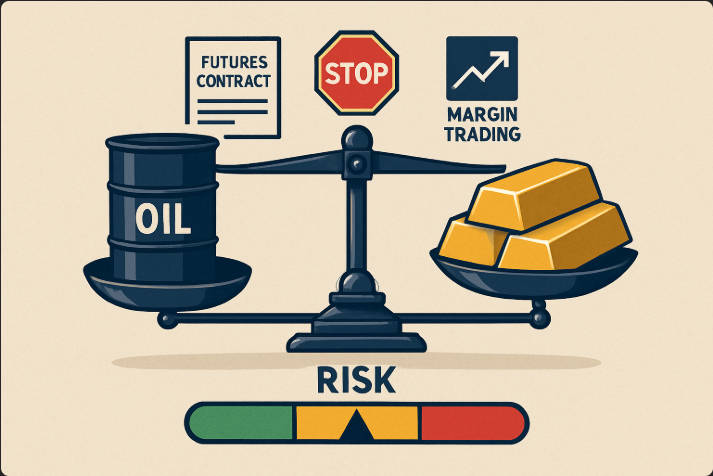
Risk management is key in volatile markets. Brokers provide features such as margin trading, stop-loss orders, and hedging options to help traders limit potential losses.
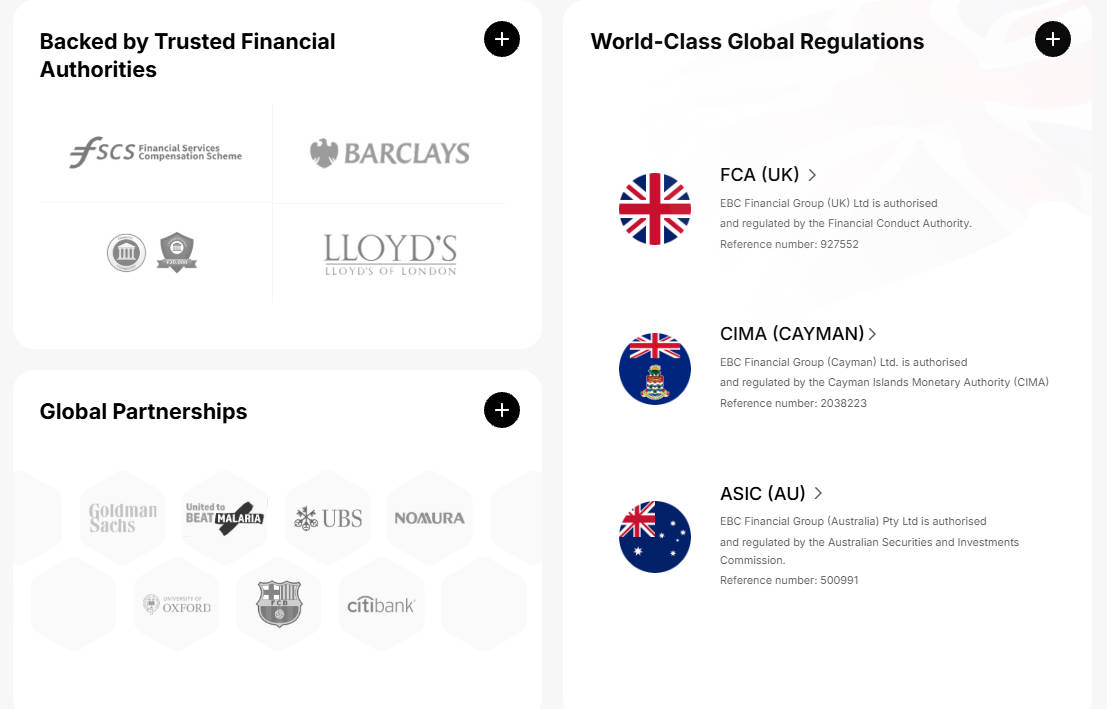
Regulatory compliance is a crucial aspect of choosing a commodities broker. Most brokers are subject to oversight by regulatory bodies that ensure fair trading practices and safeguard investor interests.
Brokers operating in markets such as the US must comply with regulations from bodies like the Commodity Futures Trading Commission (CFTC). Similarly, in Europe, brokers must follow guidelines set by the European Securities and Markets Authority (ESMA).
Selecting the right commodities broker requires careful consideration of factors such as market access, platform reliability, and fees. A broker's reputation, customer reviews, and the quality of their trading platforms should all be factored into the decision-making process.
For example, brokers like EBC Financial Group provide access to a broad spectrum of commodities and markets, enabling traders to diversify their portfolios. Always evaluate whether a broker's offerings match your specific trading needs and risk tolerance.
As technology continues to evolve, commodities brokers are adopting new innovations such as algorithmic trading and machine learning to improve the trading experience. Additionally, the growing demand for sustainable and ethical investments is pushing brokers to offer more green and socially responsible commodities trading options.
Brokers are also enhancing their platforms to integrate artificial intelligence (AI), which will help traders identify market trends and make more informed decisions.
A commodities broker acts as an intermediary, helping clients buy and sell commodities. They offer services such as trade execution, market analysis, and risk management.
To trade commodities, open an account with a broker, deposit funds, and use their trading platform to place buy or sell orders for various commodities.
Commodity trading is volatile and can be affected by geopolitical factors, weather conditions, and supply-demand imbalances, leading to unpredictable price movements.
Look for a broker with a reliable platform, competitive fees, access to global markets, and strong customer support. Brokers like EBC Financial Group excel in these areas.
Commodities brokers are essential players in the global market, offering traders access to various commodities and providing the necessary infrastructure to execute trades efficiently. Brokers like EBC Financial Group serve as a prime example of how these services are provided, offering market access, risk management tools, and expert guidance.
When choosing a commodities broker, it is important to consider the broker's reputation, trading platform, fees, and customer support to ensure that it aligns with your trading goals. As technology and market dynamics evolve, the role of brokers will continue to be pivotal in helping traders navigate the complexities of the commodities markets.
Disclaimer: This material is for general information purposes only and is not intended as (and should not be considered to be) financial, investment or other advice on which reliance should be placed. No opinion given in the material constitutes a recommendation by EBC or the author that any particular investment, security, transaction or investment strategy is suitable for any specific person.