Published on: 2026-01-02
Updated on: 2026-01-02
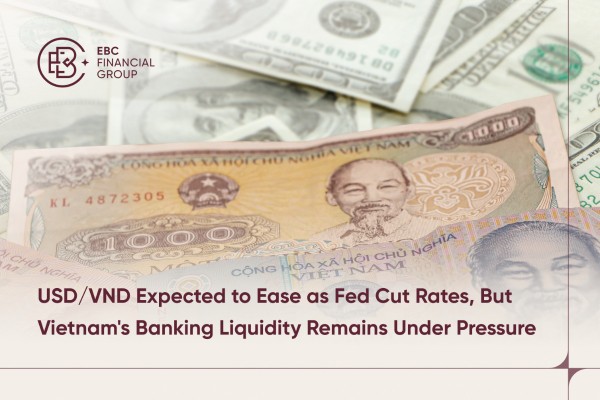
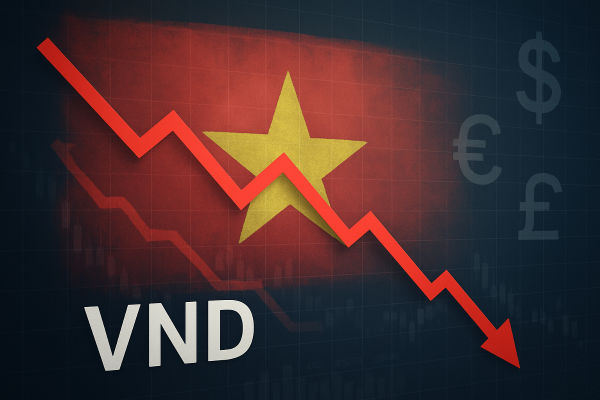
HO CHI MINH CITY, 15 DECEMBER 2025 — The Federal Reserve decision to cut interest rates for the third consecutive meeting last week, lowering the target range to 3.5%-3.75%, has created more favourable external conditions for emerging markets. For Vietnam, the move is expected to ease pressure on the USD/VND exchange rate after months of currency volatility, but analysts caution that domestic liquidity stress will remain the dominant factor influencing monetary policy in the final weeks of 2025.
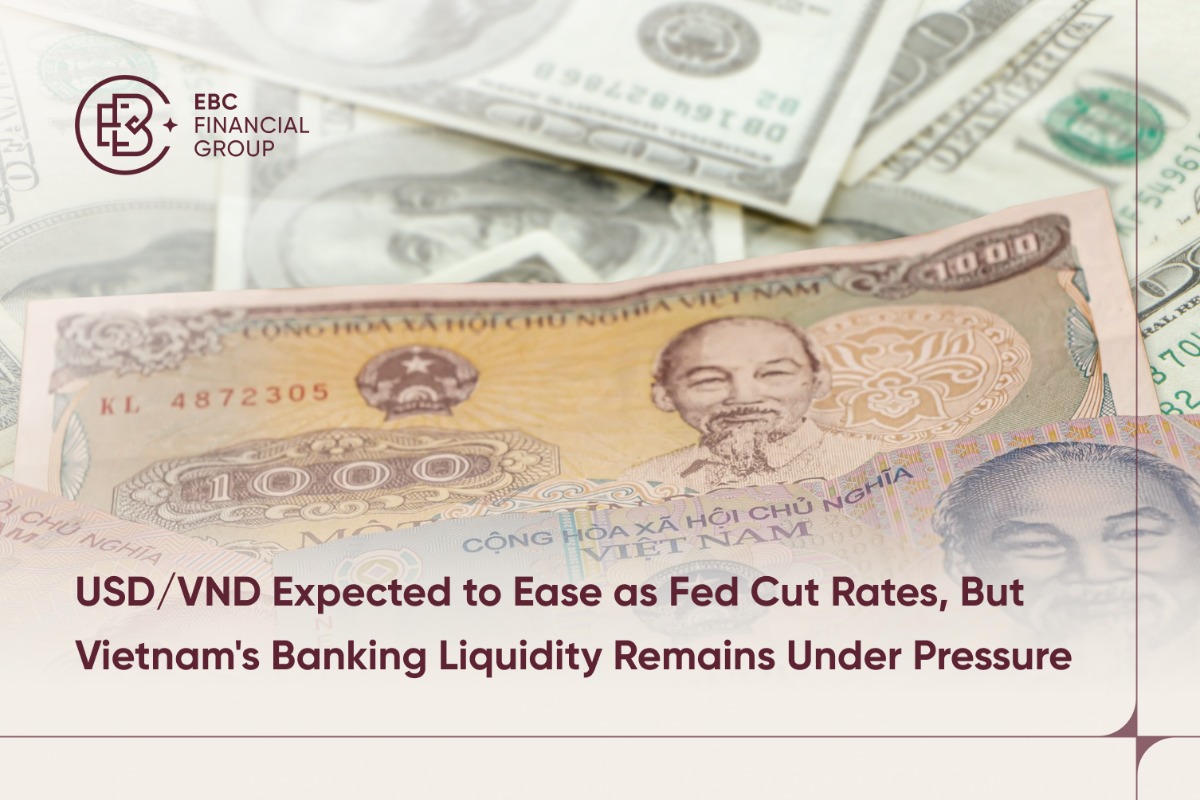
The shift in U.S. monetary policy marks an important turning point for Vietnam's foreign-exchange (FX) market. A softer U.S. dollar, combined with expectations of further monetary easing in 2026, is helping slow the upward momentum of the USD/VND rate. The Vietnamese Dong had been the second-weakest currency in Asia during the first nine months of 2025—depreciating 3.55% against the US dollar, nearly matching the Indian rupee (-3.58%). With the Fed now shifting toward monetary easing, pressure on the USD/VND exchange rate will moderate. The Vietnamese Dong now has shown early signs of stabilisation.
Samuel Hertz, Head of APAC at EBC Financial Group, said, "The adjustment from the Fed is arriving at a crucial moment for Vietnam. A weaker dollar offers immediate relief for the USD/VND exchange rate. This decision reduces the likelihood that Vietnamese authorities will need to tighten policy in December to defend the currency. This gives the State Bank of Vietnam (SBV) valuable room to maintain its growth-supportive stance."
"The reduced pressure on USD holdings may also encourage foreign portfolio inflows back into emerging markets, with Vietnam positioned as one of the more attractive destinations in the region due to its stable macroeconomic fundamentals and positive medium-term growth outlook," added Hertz.
Despite the favourable FX backdrop, Vietnam's monetary conditions remain strained internally. The local banking system has experienced one of the tightest liquidity periods in recent years. Interbank borrowing costs have surged, with overnight lending rates rising to 7%–7.5%, and daily interbank transaction volumes exceeding VND1 quadrillion on several occasions, showing clear evidence of acute funding demand.
The year-end period traditionally brings heightened pressure as banks accelerate credit disbursements and meet payment obligations, but liquidity in 2025 has been further squeezed by rising provisioning needs, slower capital flows earlier in the year, and periods of liquidity absorption via Treasury operations. The SBV has responded with active open-market operations (OMO), injecting and withdrawing liquidity in quick succession to stabilise short-term rates without compromising broader monetary stability.
"In contrast to the external environment, domestic liquidity remains very tight," Hertz observed. "Fed easing does not automatically resolve the structural funding pressures inside Vietnam. The SBV must continue to strike a careful balance to both support credit growth and market liquidity while avoid excessive monetary loosening that could exacerbate inflation or FX volatility early next year."
The combination of a softer USD and a slower expected rate path from the Fed gives Vietnam more policy flexibility going into 2026. Analysts expect the USD/VND exchange rate to remain within a more controlled range in the coming months, reducing the urgency for the SBV to raise its policy rates to defend the currency. However, the central bank is unlikely to shift toward outright easing until liquidity pressures subside, and clearer inflation data emerges after the Lunar New Year period.
Hertz emphasised, "Domestic liquidity conditions will determine the SBV's next steps. Vietnam benefits from a more favourable external backdrop, but policymakers remain constrained by tight system-wide liquidity. In the near term, the focus will remain on maintaining smooth payment flows, stabilising interbank funding costs, and ensuring orderly credit conditions. This is a more pressing priority than adjusting policy rates."
The easing of USD/VND pressure may help stabilise market sentiment and reduce foreign-exchange risk for exporters, importers, and portfolio investors. However, persistently high interbank interest rates mean short-term funding costs for banks and corporates may remain elevated through year-end. Retail and institutional investors are advised to monitor liquidity trends closely, as they are likely to have a stronger influence on short-term interest rates than external factors.
"For now, liquidity signals from the domestic banking system carry more weight than the Fed's moves. Market participants should track interbank rates, SBV operations, and credit growth dynamics as key indicators of monetary-policy direction in early 2026," Hertz said.
The Fed has signalled that upcoming U.S. employment and inflation data will determine the pace of additional cuts next year. Vietnam's policy trajectory will also depend on updated inflation readings, credit growth, and liquidity movements after the Tet holiday when demand fluctuations often reveal underlying structural pressures.
"Both the Fed and the SBV are entering a period where policy must be guided strictly by data," Hertz concluded. "For Vietnam, the priority remains maintaining stability while supporting growth, and that balance will depend on how quickly liquidity conditions normalise in the early months of 2026."
Disclaimer: This material is for information only and does not constitute a recommendation or advice from EBC Financial Group and all its entities ("EBC"). Trading Forex and Contracts for Difference (CFDs) on margin carries a high level of risk and may not be suitable for all investors. Losses can exceed your deposits. Before trading, you should carefully consider your trading objectives, level of experience, and risk appetite, and consult an independent financial advisor if necessary. Statistics or past investment performance are not a guarantee of future performance. EBC is not liable for any damages arising from reliance on this information.