Published on: 2025-12-09
Updated on: 2025-12-09
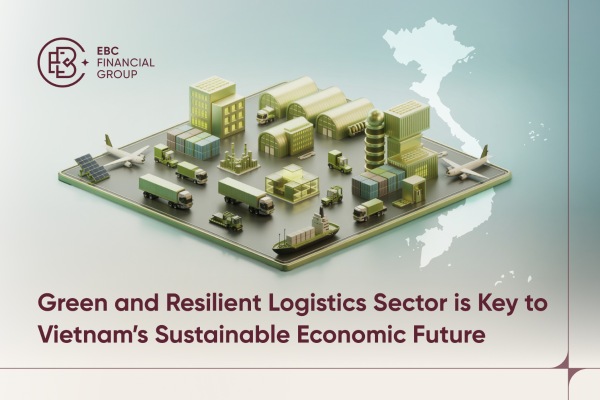
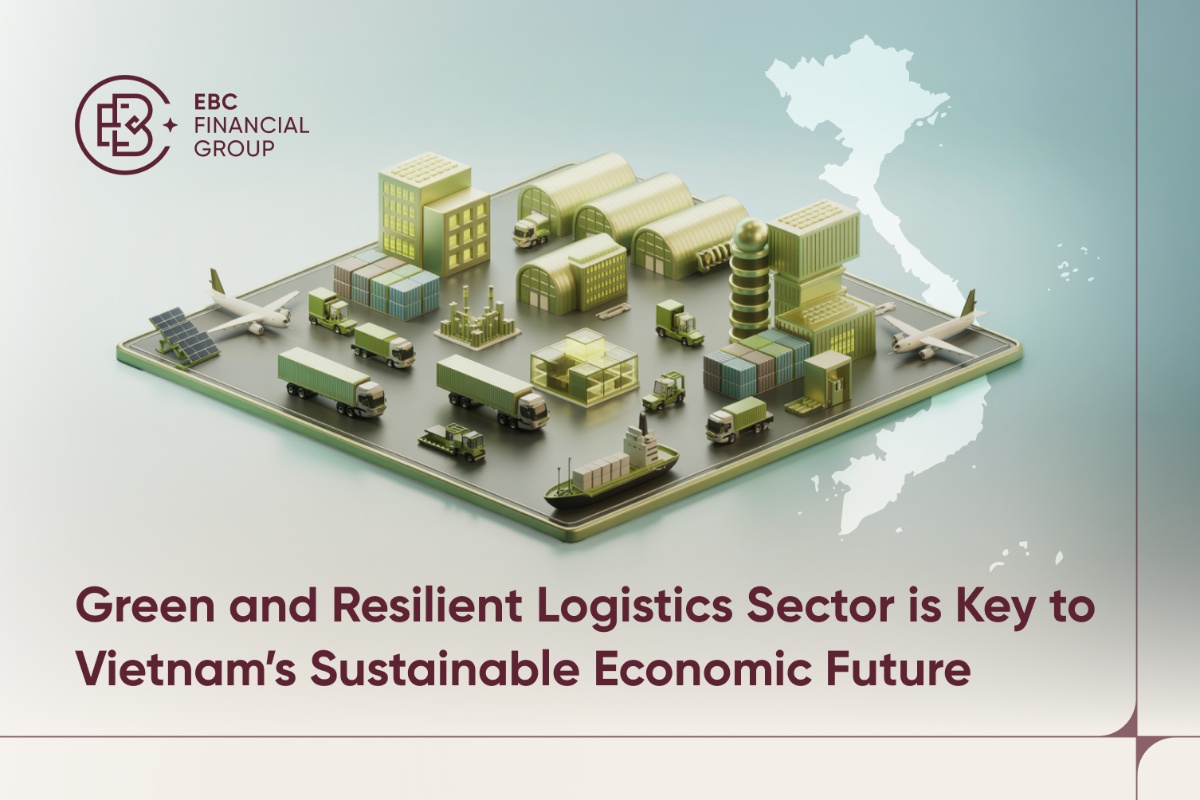
HO CHI MINH CITY, 2 December 2025 — EBC Financial Group ("EBC") notes that with sustained double-digit growth in trade and e-commerce, Vietnam is increasingly recognised as a strategic destination for logistics development. As the lifeline of any economy, the logistics sector is incorporated as a core pillar of the national development strategy. Future-proofing logistics by building a green, resilient system is essential to strengthening its competitiveness in global supply chains and reducing the impact of natural disasters on trade.
"The logistics sector is critical to enable the flow of raw materials and goods into and from Vietnam," said Samuel Hertz, Head of APAC at EBC. "Economic activity has been encouraging with 2025 trade up to October reaching USD762.4 billion, with a trade surplus of USD19.56 billion. Vietnam's growth also outperforms its Southeast Asian neighbours as other economies are looking to find their footing following the US Government's tariff policy."
With its strategic geographical position, rapidly expanding manufacturing capacity, and a growing network of deep-water ports, Vietnam is increasingly positioned to become a regional logistics powerhouse. Speaking at the Vietnam Logistics Forum 2025, Prime Minister Pham Minh Chinh highlighted that logistics is a key driver and an essential service that boosts socio-economic growth. The government has also set an ambitious goal to place the country among the top 30 nations in the Global Logistics Performance Index (LPI) by 2035.
According to the World Bank, Vietnam ranked 43rd out of 139 countries in the LPI, placing it among the top 5 in ASEAN, alongside Singapore, Malaysia, Thailand and Indonesia. Its logistics market is valued at an estimated USD40-42 billion, growing at 14-16% per year, making it one of the fastest rates in Southeast Asia. This impressive growth is driven by surging trade and a booming e-commerce market, which reached USD25 billion in 2024.
However, the sector continues to face critical challenges. Logistics costs are influenced by cost-push pressures, accounting for approximately 16-18% of Vietnam's GDP, compared with 8% in Singapore and 12% in Malaysia. Moreover, road transportation remains a significant source of carbon emissions. As Vietnam committed to achieving net-zero emissions by 2050, green logistics has shifted from an option to a national imperative.
"Vietnam's economy is highly open and deeply integrated into the global supply chain. In the context of supply chain diversification and the ‘China Plus One' strategies, the country is uniquely positioned to become a new logistics transhipment hub for the region," added Hertz. "This opportunity can only be realised if the Vietnamese economy accelerates the transition towards a greener, more resilient logistics system that is capable of withstanding both economic and climate-related shocks."
Vietnamese enterprises are currently under dual pressure of maintaining growth while meeting increasingly strict environmental standards, including the EU's Carbon Border Adjustment Mechanism (CBAM). Failure to decarbonise logistics and production processes could result in lost market access, declining competitiveness, and missed opportunities in global supply chains.
Climate risks, including floods, typhoons and rising sea levels, threaten key transport corridors, ports, and industrial zones in Vietnam. Without adequate investment in adaptive infrastructure, supply chain disruptions from natural disasters could significantly affect domestic connectivity and national economic performance.
"Green logistics goes beyond reducing emissions and into building systemic and infrastructural resilience," Hertz emphasised. "A low-carbon, decentralised and digitally managed logistics system is better equipped to respond to disruptions and recover from global or local shocks. Modern, integrated, and sustainable logistics systems are also essential to optimise delivery, lower operational costs, improve the customer experience, and thereby enhance the competitiveness of Vietnamese enterprises in global markets.
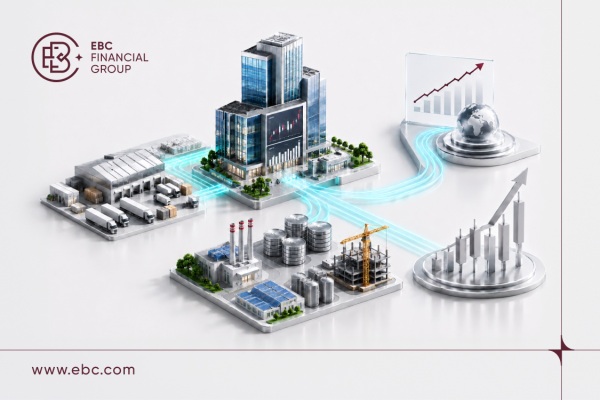
The development of provincial and regional logistics centres will play a crucial role in strengthening connectivity, optimising multimodal transportation, and supporting low-emission operations. These centres would act as integrated nodes linking road, rail, inland waterways and maritime transport, helping to reduce costs, improve efficiency, and minimise carbon footprints.
The shift towards sustainable logistics requires significant investment in clean transportation, fuel-efficient fleets, smart containers, energy-saving warehouses, and digital platforms capable of monitoring and reporting emissions. Therefore, Vietnam's shift towards green and resilient logistics cannot succeed without a robust financial backbone. The recently issued national Green Taxonomy provides a clear regulatory framework for identifying green‑eligible sectors, from sustainable transport to clean infrastructure and energy‑efficient warehousing.
Banks are already responding. By the end of 2024, green credit in the banking system, supporting projects from renewable energy to sustainable transport and green infrastructure, saw an encouraging surge. One of the country's largest banks, BIDV, recorded over VND80 trillion in green loans in 2024, financing hundreds of environmentally sustainable projects.
Yet, the transition remains nascent. While green credit has made progress, it still accounts for only a small share of overall bank lending In early 2024, green loans accounted for approximately 4.5% of total lending, according to the State Bank of Vietnam (SBV).
"The challenge now is to scale up financing, broaden the range of green‑eligible projects, including logistics, cold‑chain, and clean transport, as well as build capacity in ESG reporting, risk management, and climate‑smart investment readiness," Hertz concluded.
Disclaimer: This material is for information only and does not constitute a recommendation or advice from EBC Financial Group and all its entities ("EBC"). Trading Forex and Contracts for Difference (CFDs) on margin carries a high level of risk and may not be suitable for all investors. Losses can exceed your deposits. Before trading, you should carefully consider your trading objectives, level of experience, and risk appetite, and consult an independent financial advisor if necessary. Statistics or past investment performance are not a guarantee of future performance. EBC is not liable for any damages arising from reliance on this information.