Published on: 2025-12-04
Updated on: 2025-12-04
A real account, also called a live account, is a trading account funded with actual money that allows traders to execute real market transactions.
Every trade placed affects the trader’s actual capital, exposing them to genuine market conditions such as spreads, slippage, liquidity changes, execution speed, and emotional pressure.
Real accounts are used across products such as forex, indices, commodities, energies, cryptocurrencies, and CFDs.

Live market pricing with full volatility and liquidity
Real capital deposited by the trader
Applicable trading costs including spreads, commissions, and swaps
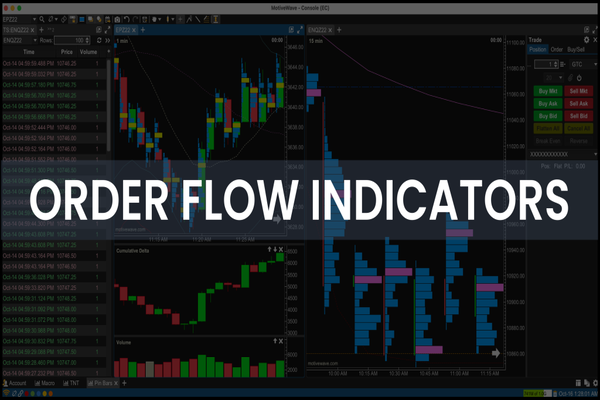
Execution affected by market depth, order flow, and real time slippage
Platform features identical to demo but with financial consequences
Access to all order types including market, limit, stop, GTC, trailing stop, and OCO
Because real accounts operate under actual market conditions, they reveal execution quality, cost structure, and platform performance in a way that simulated environments cannot fully replicate.
| Pros | Cons |
|---|---|
| Real exposure to genuine market conditions including volatility and liquidity | Real financial risk where losses directly impact actual capital |
| Accurate performance metrics such as drawdown, win rate, and risk to reward | Emotional pressure caused by fear, greed, and stress |
| Builds discipline, trading psychology, and long-term skill development | Higher chance of overtrading during emotional or volatile periods |
| Full access to real order execution, spreads, costs, and liquidity | Slippage and execution challenges during fast market movements |
| Opportunity to create a verified trading track record | Requires strong discipline and consistent risk management |
| Aspect | Live Account | Demo Account |
|---|---|---|
| Funds | Real money | Virtual funds |
| Emotion | High emotional impact | Low emotional impact |
| Market Conditions | Full real volatility and slippage | Simulated, often smoother |
| Risk Level | Actual financial risk | No financial risk |
| Trade Costs | Real spreads, commissions, swaps | Often simulated or reduced |
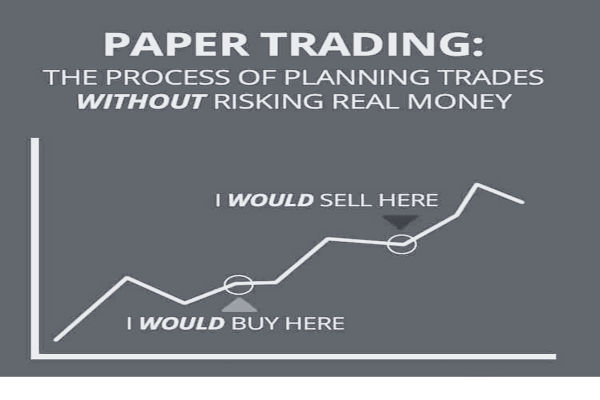
A trader spends several weeks practicing on a demo platform to refine their strategy. Once they feel confident, they open a live account, deposit a small amount of capital, and begin executing trades under real market conditions.
They quickly notice the added emotional pressure and adapt their risk management to maintain discipline and stability.
Common mistakes in real trading often stem from emotional decision making and lack of structure. Traders may use excessive leverage, trade without a clear plan, or increase position sizes too quickly, which exposes their accounts to unnecessary risk.
Others ignore predefined limits after emotional wins or losses, chase volatile markets without proper analysis, or fail to document trades and review performance. These behaviors weaken discipline and reduce long term stability.
By recognizing and avoiding these errors, traders can build consistency, strengthen risk control, and protect their capital more effectively.
Demo Account: A simulated trading account using virtual funds for practice.
Margin: The capital required to open and maintain leveraged positions.
Leverage: A tool that increases market exposure using borrowed capital.
Trading Platform: Software used to analyze charts and execute trades.
Opening is usually free, but trading normally involves costs such as spreads, commissions, and swap fees.
It varies by broker, but many accounts allow small minimum deposits suitable for beginner traders. Brokers like EBC Financial Group provide a minimum deposit of only $50.
No, most traders begin with a demo account and move to a real account only when they demonstrate consistent performance and discipline.
A live or real trading account is the primary environment where traders use actual capital to participate in financial markets and experience genuine price movement, volatility, and execution behavior.
Unlike a demo account, where trades carry no financial impact, a real account exposes traders to true market conditions, including slippage, spreads, liquidity changes, and psychological pressure.
This makes real accounts essential for developing discipline, accurate performance tracking, and long term trading skill.
For traders progressing from practice to real execution, reputable providers such as EBC Financial Group offer accessible minimum deposits, reliable platforms, and support that helps beginners transition into live trading with confidence and structure.
Disclaimer: This material is for general information purposes only and is not intended as (and should not be considered to be) financial, investment or other advice on which reliance should be placed. No opinion given in the material constitutes a recommendation by EBC or the author that any particular investment, security, transaction or investment strategy is suitable for any specific person.



World's Best Broker