Published on: 2026-04-14
A state probe into alleged petroleum supply-chain
irregularities is turning Kenya's latest oil shock into something broader than
pump prices: a test of fuel supply confidence and a squeeze on export cash
timing, as longer shipping routes delay receipts and raise freight costs. EBC
Financial Group (EBC) said the overlap is important because fuel imports and
freight typically require US dollar (USD) settlement upfront, whilst many export
payments arrive later, after goods clear ports and buyers take delivery.
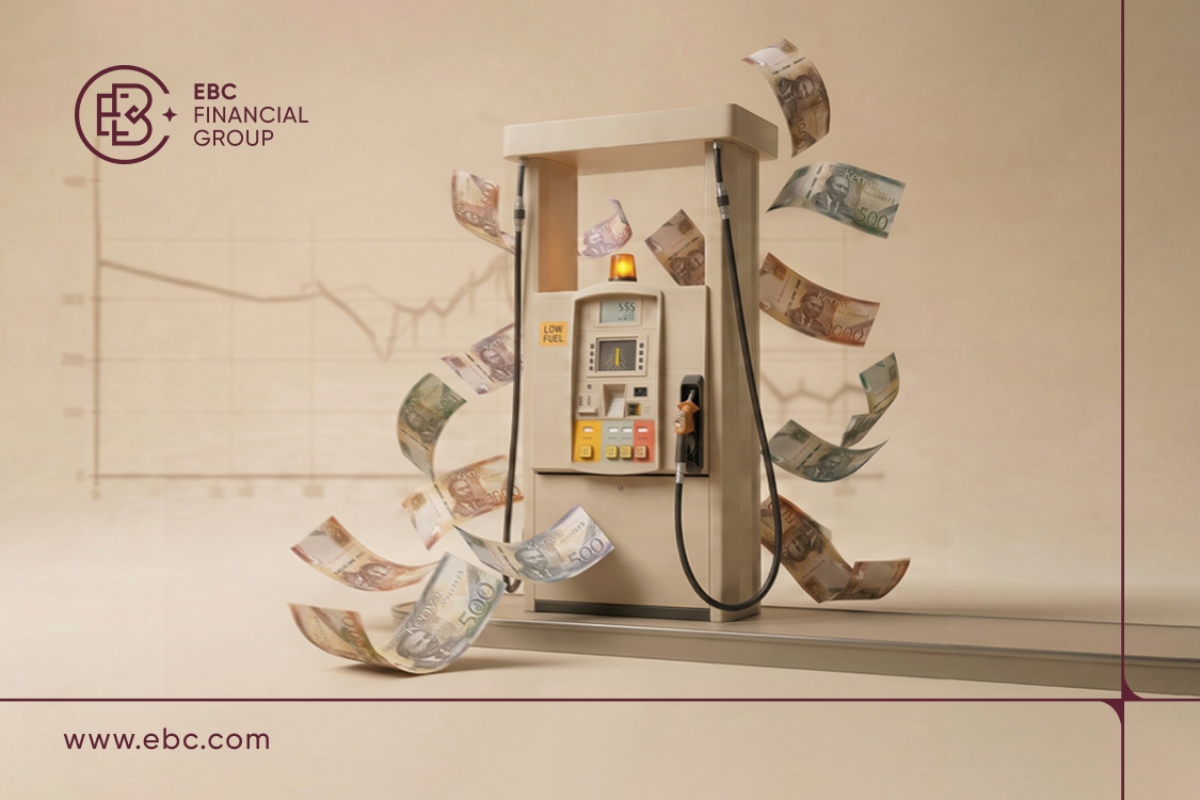
On 4 April 2026, a few senior energy-sector executives resigned as the state opened probes into accusations of manipulating fuel stock data and procuring an emergency cargo at inflated prices, according to a statement from President William Ruto's office. The government has since said fuel stocks are sufficient and that reviews are underway to reinforce integrity in petroleum management systems.
Official central bank data shows the external funding backdrop at the same time. In its Weekly Bulletin dated 2 April 2026, the Central Bank of Kenya (CBK) reported foreign exchange reserves of USD 13,655.70 million (5.8 months of import cover) as of 01 April, down from USD 14,022 million (6.0 months) on 26 March, a decline of about USD 366.3 million in one week. Over the same period, the Kenya shilling (KES) exchange rate was broadly stable, with CBK reporting KSh 129.99 per USD on 02 April versus KSh 129.72 on 26 March.
Fuel prices at the pump have remained unchanged over the current pricing cycle. The Energy and Petroleum Regulatory Authority (EPRA) set maximum retail petroleum prices for the period 15 March 2026 to 14 April 2026, and its press release stated that Nairobi's maximum prices for Super Petrol, Diesel, and Kerosene remained unchanged for that period. Yet parts of the retail network have reported supply stress. The Petroleum Outlets Association of Kenya (POAK) shared on 24 March 2026 that about 20% of roughly 3,100 independent outlets were running short, which implies about 620 outlets affected.
Fuel availability depends on the entire chain, from import and storage to last-mile distribution, not just on national stock totals. EPRA pricing is updated monthly, so retail prices can remain fixed for weeks even as global costs change between reviews. EPRA explains that petroleum products are traded internationally in USD and that an exchange rate is applied when converting those costs into KES for local pricing. When global costs rise between price publications, the fuel chain often has to bridge a gap between today's regulated pump price and the cost of buying the next shipment. In plain terms, suppliers may need more short-term credit and working capital, meaning the cash or credit needed to buy, hold, and distribute fuel before it is sold. If that funding becomes tight, constraints can first show up at smaller, independent outlets, even if aggregate stocks remain adequate.
The probe adds a separate confidence layer. Allegations around stock reporting or emergency procurement can lead importers, distributors, and retailers to behave more cautiously, such as reducing order sizes, tightening credit terms, or rationing allocations. Those actions can make shortages visible on forecourts without requiring a nationwide stock-out. That is why official assurances and retail reports can diverge in the same week.
EPRA volume data suggests there is less slack than before. It reported overall domestic demand for petroleum products up 8.38% to 3,155,120.69 cubic metres, from 2,911,214.12 cubic metres in the comparable period of the previous financial year, whilst pipeline throughput increased 7.98% versus the same period in 2024. EPRA also said Kenya Pipeline Company (KPC) handles about 95% of imported petroleum products in the period under review, highlighting how concentrated the logistics corridor is.
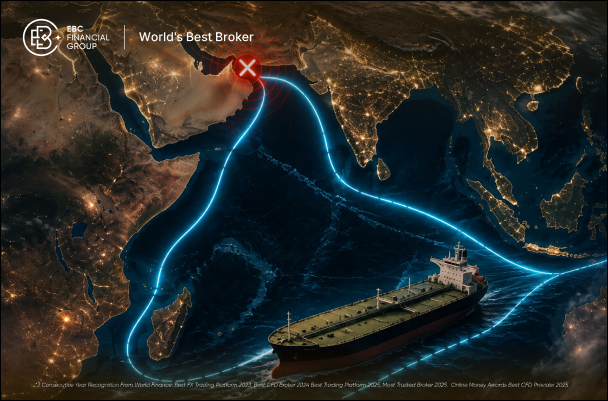
The export channel is not limited to tea. Longer shipping routes and emergency surcharges can delay shipments and raise costs for any goods moving through Mombasa, pushing export receipts further out in time, whilst import, fuel, and freight bills still fall due. The disruption to shipping routes linked to the Iran conflict left about 8 million kilograms of tea stuck in warehouses in Mombasa for weeks, with losses estimated at about USD 8 million per week since 01 March 2026. The same report said the Middle East accounts for about 20% to 25% of Kenya tea exports by share and described rerouting around risk zones as a driver of higher freight and insurance costs.
Other export lines show similar sensitivity to transport constraints. An April 2026 report on Kenya floriculture said growers reported weekly losses of up to USD 1.4 million and cited higher freight rates, illustrating how logistics costs can quickly translate into lost earnings or delayed cash flows for time-sensitive exports. EPRA petroleum corridor data also frames this as a regional trade issue. It reported KPC export throughput of 2,253,624 cubic metres, a 14.95% increase compared with the same period in 2024, largely driven by demand from Uganda, the Democratic Republic of the Congo (DRC), and Rwanda. When the same shipping disruption pressures both fuel logistics and export routes, the economy can feel strain on both sides of the USD ledger: USD outflows for fuel and freight occur on schedule, whilst USD inflows from exports arrive later and may be reduced by higher costs.
David Precious, Senior Market Analyst at EBC Financial Group, said, "This has become a timing and confidence shock, not only a price shock. Fuel imports and freight need USD settlement upfront, but export receipts arrive later, and that gap widens when ships reroute and port delays build. When governance questions hit the fuel system at the same time, firms tend to become more cautious with inventory and credit, and fuel availability can tighten even before any national stock headline changes."
Oil commodities such as Brent crude spot (XBRUSD) are available on the EBC Financial Group platform as an access channel for tracking benchmark moves that often feed into imported fuel costs.