Published on: 2025-12-29
Updated on: 2025-12-29
An active order is a trade instruction that has been sent to the market and is still waiting to be completed. Once placed, it stays live in the trading system and can turn into a real trade if market price reaches the conditions you set.
For beginners especially, understanding active orders is important because they can open positions automatically, even when you are not watching the market.
An active order controls when you enter or exit, at what price, and under what conditions. If you do not understand what an active order is, you may open trades you did not plan, miss prices you wanted, or take risks without realising it.
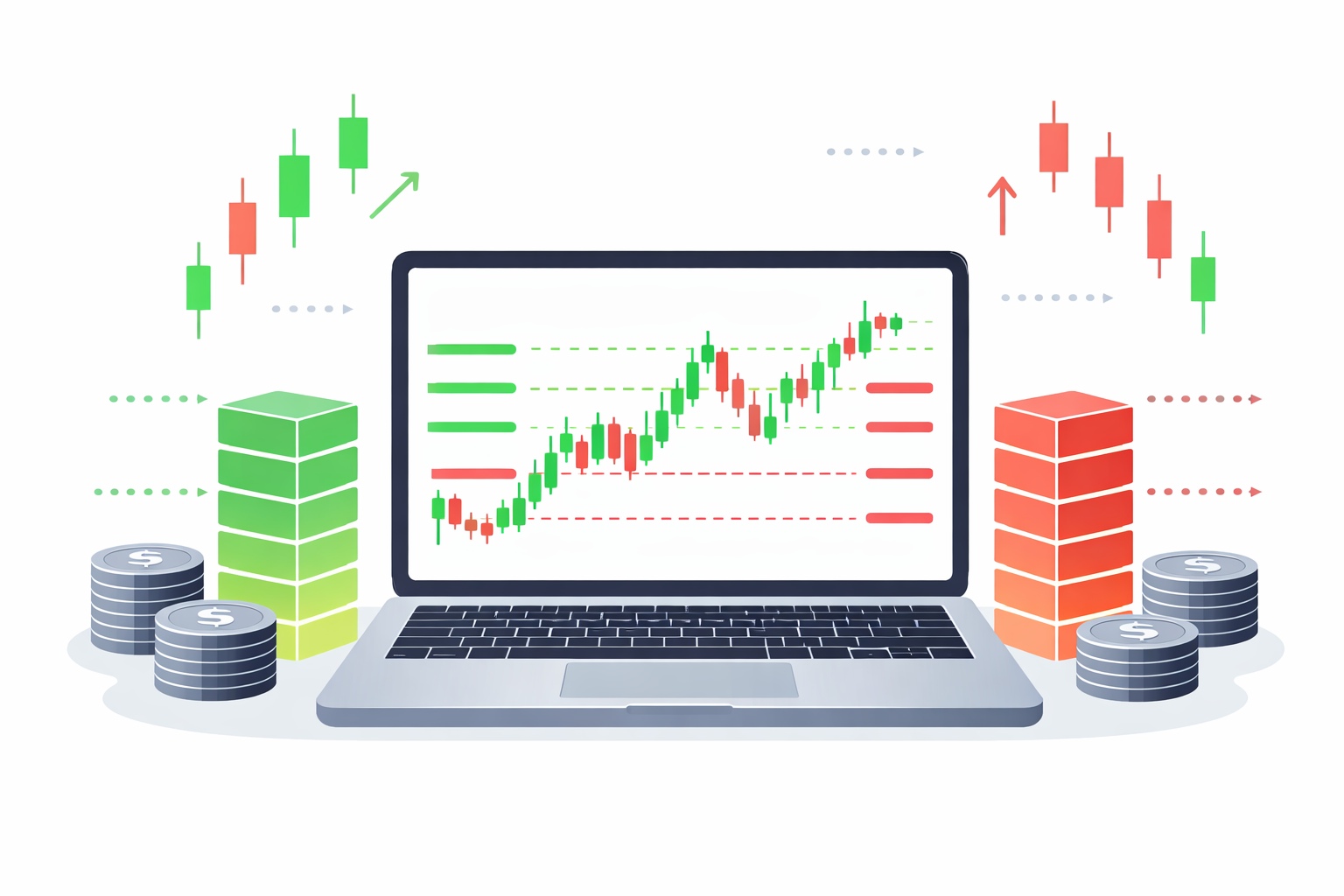
An active order is neither an open position nor a closed trade. It exists in between these states. Common examples include limit orders, stop orders, and unfilled market orders. As long as the order is visible in the “orders” or “pending orders” section of a trading platform, it is considered active.
Several factors affect how long an order stays active and whether it gets filled.
When the price moves toward your order level, the chance of execution increases. When the price moves away, the order can stay active for a long time.
During fast markets, prices can jump through levels quickly. This can trigger active orders faster, or sometimes skip over them.
Some orders stay active until cancelled. Others expire at the end of the day or week. When the expiry time arrives, the order is removed if it has not been filled.
In simple terms, when markets are calm, active orders may sit untouched. When markets are busy, they can turn into trades very quickly.
Active orders play a direct role in how and when you trade. They influence entry, exit, cost, and risk.
For entry, an active order lets you plan ahead. You choose a price you believe makes sense and let the market come to you. This helps remove emotion and rushed decisions. For exit, active orders such as take profit or stop loss orders protect your trade even if you are away from the screen.
Active orders also affect trading costs and risk. If you place many active orders without a clear plan, you may enter trades you no longer want. If you forget about an active order, it can open a position at an unexpected time.
Active orders match your current market view.
Order size and price are clearly planned.
Orders are reviewed regularly.
Old active orders no longer fit market conditions.
Orders are placed too close to the price in fast markets.
Orders are forgotten and triggered by surprise.
Imagine the market price of a currency pair is 1.3000 right now. You do not want to buy at this price. You decide you only want to buy if the price drops lower.
You place a buy limit order at 1.2950. The moment you click confirm, this order becomes an active order. It is now sitting in the market system. Other traders do not see your name, but the market sees that there is buying interest at 1.2950.
As long as the price stays above 1.2950, nothing happens. Your order stays active and waiting. Then, sellers push the price down. When the market price reaches 1.2950, your active order is matched with a seller. At that instant, the active order disappears and becomes a real trade in your account.
If the price never reaches 1.2950, the order never becomes a trade. It simply stays active until you cancel it or it expires. This is how an active order exists in the market, waiting to act only when its price condition is met.
Forgetting old orders: This can lead to surprise trades when the price reaches forgotten levels.
Placing too many active orders: Too many orders can create confusion and poor risk control.
Ignoring expiry settings: Orders may expire sooner than expected or stay active longer than intended.
Using active orders during major news without review: Fast price moves can cause poor fills or unexpected entries.
Not adjusting orders when market conditions change: What made sense yesterday may not make sense today.
Pending order: A type of active order that waits for the price to reach a specific level before execution.
Market order: An order that aims to execute immediately but can remain active briefly if liquidity is thin.
Limit order: An active order set to buy or sell at a better price than the current market price.
Stop order: An active order that triggers only after the price moves past a defined level.
Stop loss: An active order used to automatically limit potential losses on a trade.
Order expiry: A setting that defines how long an active order stays in the market.
An active order means a trading instruction is live in the market and waiting to be filled, modified, or cancelled. It has not yet become a completed trade, but it can do so at any time if price conditions are met. Traders must treat active orders as real exposure because they can turn into positions without further action.
No, an active order is not an open position. An open position exists only after an order has been executed and a trade is live. An active order is still waiting. Understanding this difference helps traders track real risk versus planned risk more clearly.
An active order stays in the market until it is filled, cancelled, or expires. Some orders remain active until the trader manually removes them. Others expire at the end of the day or week. The duration depends on the expiry setting chosen when placing the order.
Yes, most active orders can be modified. Traders can usually change the price level, order size, or expiry while the order is still active. However, once the order is filled and becomes a trade, these changes are no longer possible in the same way.
Traders use active orders to plan ahead and reduce emotional decisions. Active orders allow entry or exit at specific prices without constantly watching the market. This helps with discipline, timing, and risk control, especially in fast or volatile markets.
An active order is a trade instruction that is live in the market and waiting for its conditions to be met. It is not a completed trade, but it can become one at any moment. By understanding how active orders work, traders gain better control over timing, price, and risk. Regularly reviewing active orders helps avoid surprises and keeps trading decisions clear and intentional.
Disclaimer: This material is for general information purposes only and is not intended as (and should not be considered to be) financial, investment or other advice on which reliance should be placed. No opinion given in the material constitutes a recommendation by EBC or the author that any particular investment, security, transaction or investment strategy is suitable for any specific person.



World's Best Broker