Published on: 2025-12-16
Updated on: 2025-12-16
The economic calendar shows when important economic data and central bank events are scheduled, many of which can move markets within seconds. A single release can change price direction, increase volatility, or widen spreads without warning.
For traders, the economic calendar matters because it helps manage timing and risk in trading. Knowing when key events are coming allows traders to prepare, reduce exposure, or stay out of the market during high-risk periods.
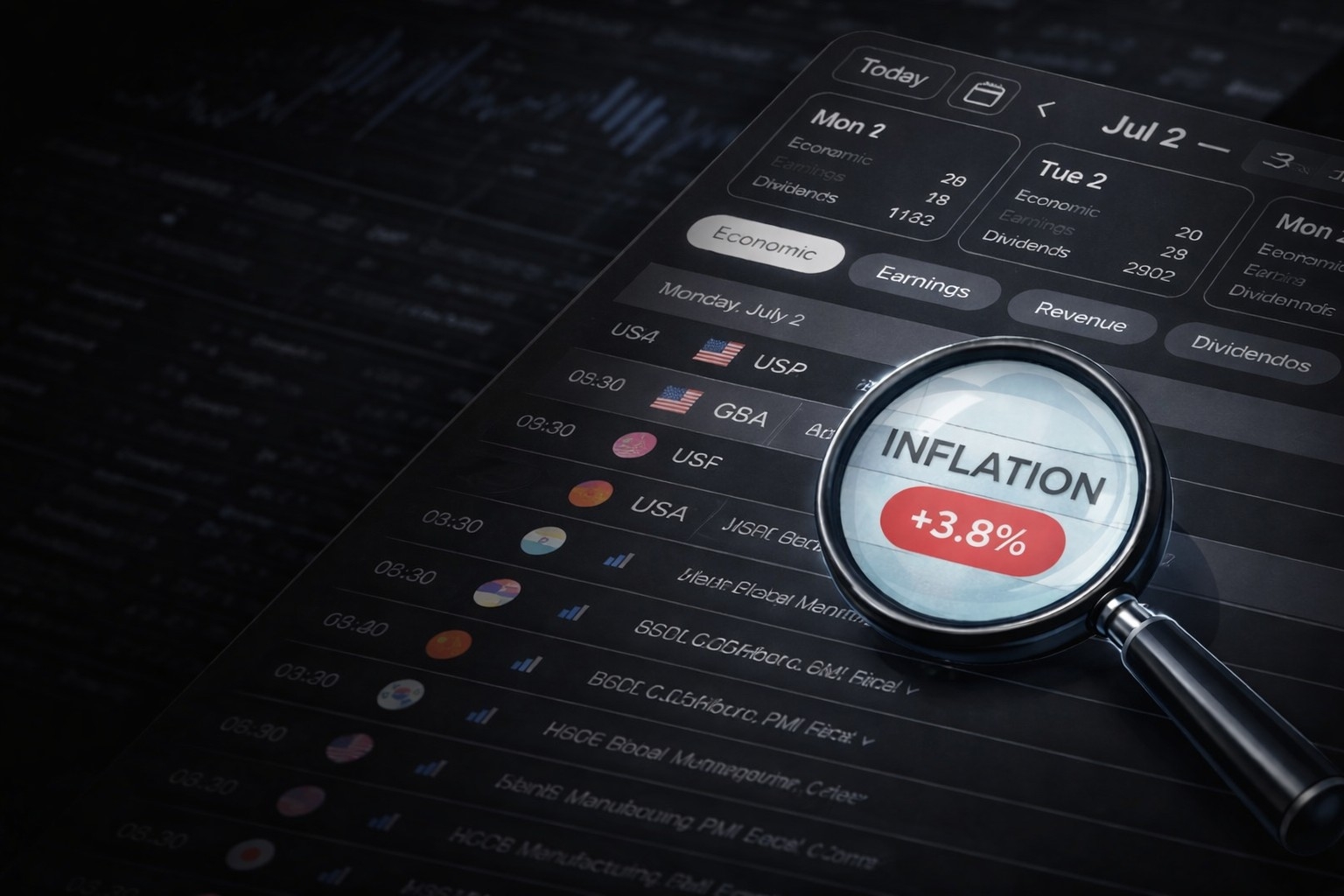
An economic calendar is a schedule of upcoming economic events, data releases, and policy announcements that can affect financial markets. It lists the date, time, country, and type of event, along with related data such as forecasts and previous results.
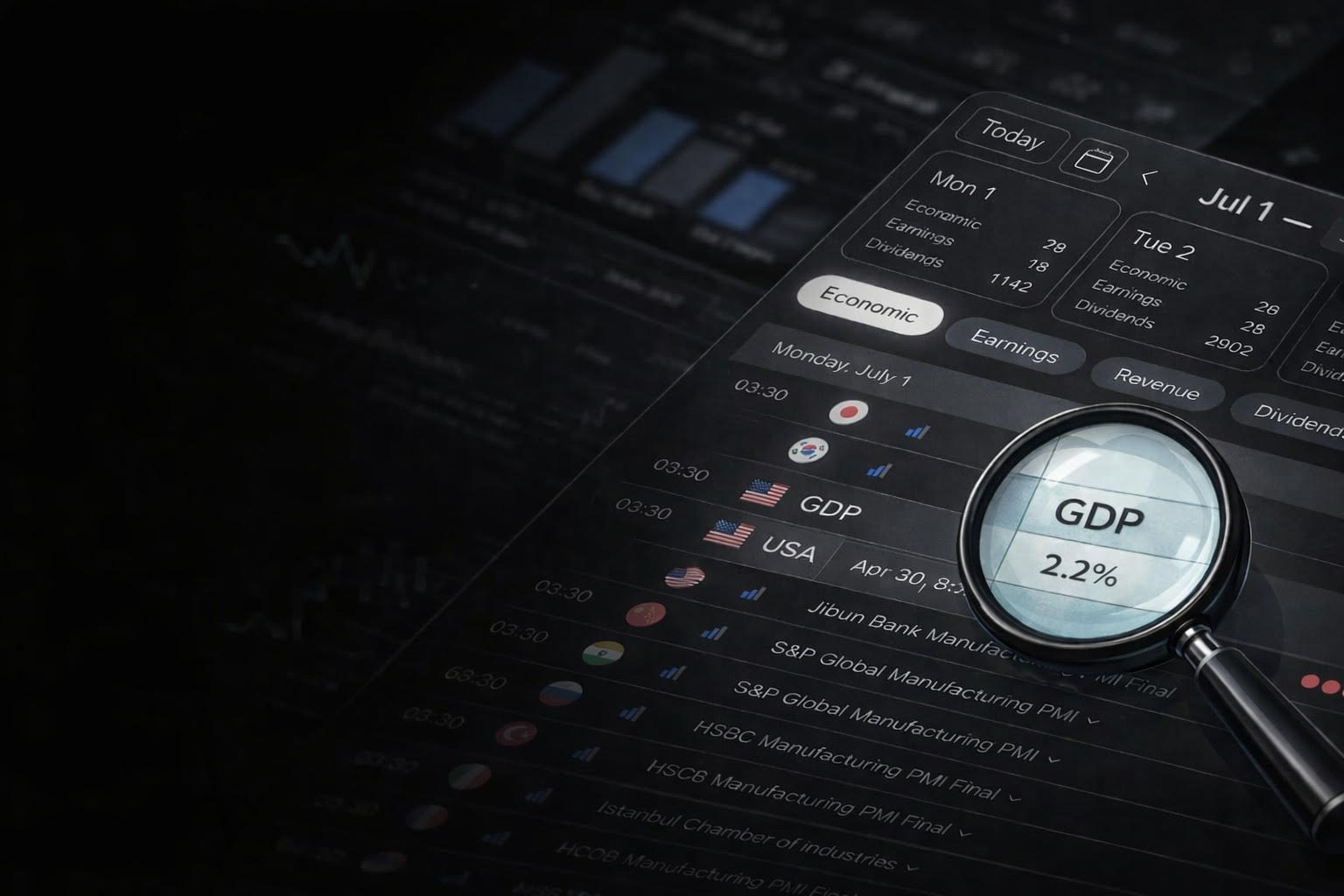
Economic calendars are used across markets, including forex, indices, commodities, and bonds. They help traders anticipate periods of higher volatility and understand what information the market is waiting for.
In trading terms, the economic calendar is a risk awareness tool. It does not tell traders what direction to trade, but it tells them when conditions may change suddenly.
Traders use the economic calendar to identify events that can shift expectations about interest rates, inflation, or economic growth.
Examples include inflation reports, employment data, and central bank decisions. These events often cause sharp price moves because they provide new information that markets must reprice quickly.
An economic calendar is followed closely by short-term traders who are sensitive to volatility, as well as longer-term traders who want to avoid being caught in unexpected moves.
Most economic calendars include several standard elements:
Event name: The data release or announcement, such as inflation or employment figures.
Country or region: Indicates which economy the data relates to.
Date and time: Shows exactly when the release is scheduled.
Previous result: The last reported value.
Forecast: The market’s expectation for the upcoming release.
Impact level: A general guide showing whether the event is considered low, medium, or high impact.
These details help traders judge how important an event may be and how markets might react.
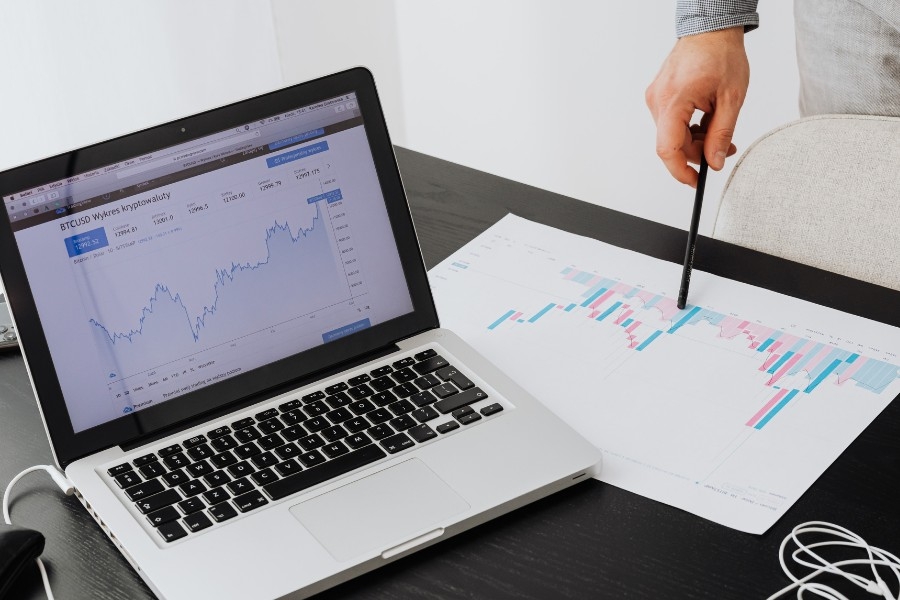
Not all scheduled events move markets in the same way. Several factors influence the size and direction of the reaction:
Difference from expectations: Markets react most when actual data differs from forecasts.
Current market focus: If inflation or growth is the main concern, related data has more impact.
Economic cycle: The same data can matter more during periods of stress or transition.
Central bank context: Data linked to future policy decisions often has stronger effects.
Understanding these factors helps traders avoid assuming that every event will cause a large move.
The economic calendar affects trades mainly through timing, volatility, and risk control.
For entry timing, traders often avoid opening positions just before high-impact events. Prices can move quickly in either direction, making entries less predictable.
For exits, traders may close or reduce positions ahead of major releases to limit exposure.
Trading costs can also change. Spreads may widen, liquidity can drop, and slippage becomes more likely during major events. Traders holding positions in currencies, indices, or assets linked to the scheduled data are most affected.
The economic calendar is used by a wide range of market participants, not just active traders. Its purpose is to help users anticipate when market-moving information will be released.
It is most commonly used by forex traders, who monitor economic data and central bank events that affect currency prices. Index and stock traders also rely on the economic calendar to track events that influence market sentiment, interest rates, and growth expectations.
Longer-term investors use the economic calendar to stay aware of major policy decisions and economic trends, even if they do not trade short-term moves. Analysts and risk managers also use it to assess periods of potential volatility and adjust exposure accordingly.
Traders typically follow a simple process when using an economic calendar:
Check the calendar at the start of the trading day.
Identify high-impact events related to the markets being traded.
Note the exact release times.
Decide whether to trade before, after, or avoid the event entirely.
Adjust position size or risk settings if holding trades through the release.
For active traders, checking the economic calendar daily is essential. It helps prevent surprises and supports better risk decisions.
Ignoring low-impact events: Several small releases can still affect sentiment.
Trading without checking the time zone: Misreading release times can lead to poor timing.
Assuming direction from forecasts: Data can move markets even when it matches expectations.
Overtrading news: Fast moves increase risk and execution problems.
Focusing on one country only: Related economies can react together.
Economic data: Official statistics that measure economic performance.
Market volatility: The speed and size of price movements.
Interest rate decision: A central bank announcement setting policy rates.
Inflation: The rate at which prices rise over time.
Employment data: Reports measuring job growth and unemployment.
No. While forex traders use it heavily, index, commodity, and bond traders also rely on economic calendars. Any market linked to economic data can react to scheduled releases.
No. Markets react most to events that surprise expectations or relate to current policy concerns. Some events may have little or no visible impact.
Many beginners avoid trading during major releases because volatility and execution risk are higher. Observing how markets react can be more useful for learning.
Most traders check it daily before trading. Active traders may monitor it throughout the day to stay aware of upcoming events.
No. An economic calendar shows timing, not direction. It helps traders prepare for risk, not forecast price movement.
An economic calendar is a core tool that shows when important economic events and data releases are scheduled. It helps traders manage timing, volatility, and risk across all major markets. By using the economic calendar consistently, traders reduce surprises and make more informed trading decisions.
Disclaimer: This material is for general information purposes only and is not intended as (and should not be considered to be) financial, investment or other advice on which reliance should be placed. No opinion given in the material constitutes a recommendation by EBC or the author that any particular investment, security, transaction or investment strategy is suitable for any specific person.



World's Best Broker