Published on: 2023-09-26
Updated on: 2026-05-18
US 10-Year Treasury Yields and Market Volatility are closely connected because the 10-year yield is the reference rate investors use to price risk. It influences equity valuations, mortgage rates, corporate borrowing costs, the US dollar, gold, and global capital flows.
When the 10-year yield moves sharply, markets are not reacting to one number. They are reassessing inflation, Federal Reserve policy, economic growth, fiscal risk, and the return investors can earn without taking equity risk.
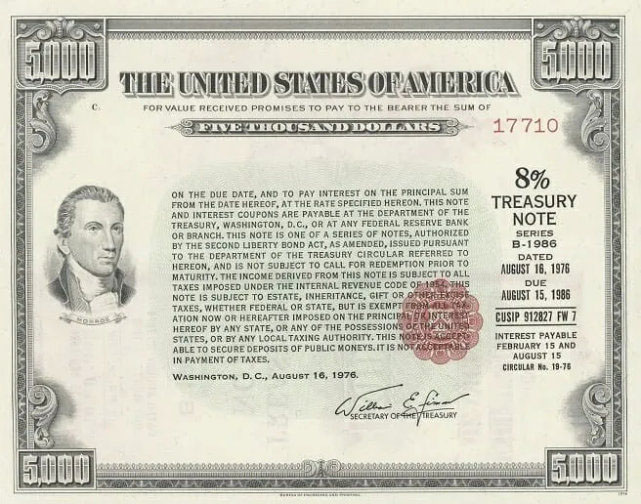
The 10-year Treasury yield is the market’s primary discount-rate benchmark for stocks, bonds, real estate, currencies, and commodities.
Treasury prices and yields move in opposite directions. When bond prices fall, yields rise.
A 10-year yield near 4.5% makes bonds and cash more competitive with equities, especially high-valuation growth stocks.
The 30-year Treasury yield stood at 5.02% on 14 May 2026, showing that pressure is strongest at the long end of the curve.
Inflation remains a key driver. April 2026 CPI rose 3.8% over the previous 12 months, while core CPI rose 2.8%.
The biggest market signal is not only whether yields rise or fall, but why they move and how quickly investors must adjust.
The 10-year Treasury yield is the return investors receive for lending money to the US government for 10 years. The Treasury note pays a fixed coupon, but its market price changes every trading day. That changing price creates a changing yield.
The rule is simple. Bond prices and yields move in opposite directions.
If demand for Treasury notes rises, prices usually rise and yields fall. If investors sell Treasuries, prices fall, and yields rise. The coupon may stay fixed, but the yield adjusts because the bond is trading at a new price.
This distinction matters. Treasuries are often called “risk-free” because the US government has very low default risk. That does not mean Treasury investors avoid market risk. Long-term Treasury prices can fall sharply when yields rise. The longer the maturity, the greater the sensitivity to rate changes.
US 10-Year Treasury Yields move when investors reassess inflation, Fed policy, growth, debt supply, and safe-haven demand. These forces often overlap, which is why yield moves can unsettle several markets at once.
Inflation is the first driver because it affects the real return on bonds. If investors expect inflation to stay high, they demand higher yields to protect purchasing power. The April 2026 CPI report showed headline inflation at 3.8% year over year, with energy up 17.9% and gasoline up 28.4%. Core CPI, which excludes food and energy, rose 2.8% over the same period.
That mix matters for markets. Energy-driven inflation can hurt consumers, lift inflation expectations, and reduce the chance of near-term rate cuts. Core inflation matters because it shows whether price pressure is spreading beyond volatile items.
The Fed controls short-term interest rates more directly than long-term yields. The 2-year Treasury yield is usually more sensitive to expected Fed policy, while the 10-year yield reflects a wider judgment about inflation, growth, and risk over time.
In May 2026, the 2-year Treasury yield was 4.00%, while the 10-year yield was 4.47%. The upward slope between the two maturities suggests investors required extra compensation for holding longer-term debt.
Fiscal policy has become harder for bond investors to ignore. Large deficits mean the Treasury must issue more debt. CBO projects a $1.9 trillion federal deficit in fiscal year 2026, equal to 5.8% of GDP. Debt held by the public is projected to rise from 101% of GDP in 2026 to 120% in 2036.
More supply does not automatically mean yields must rise, but it shifts the risk balance. When investors must absorb more long-term debt, they may demand a higher term premium. That is one reason the 10-year and 30-year yields can stay high even when markets expect eventual Fed easing.
Higher yields reduce the value of existing bonds. The effect is strongest for longer maturities because their cash flows stretch further into the future. This is why long-duration Treasury funds can decline even when credit risk is low.
A fast yield increase can force portfolio managers to rebalance duration, hedge exposure, or sell assets to meet risk limits. That mechanical adjustment can worsen volatility.
Stocks are valued partly by discounting future earnings. A higher 10-year yield raises the discount rate, which lowers the present value of future profits. Growth stocks are usually more exposed because a larger share of their expected value comes from earnings far in the future.
The market reaction depends on the reason why yields are rising. If yields rise because growth is strong and earnings expectations improve, equities can absorb the move. If yields rise because inflation is sticky or the term premium is rising, equity valuations come under greater pressure.
Higher US yields can support the US dollar by boosting returns on dollar-denominated assets. That can tighten financial conditions for emerging markets and pressure dollar-priced commodities.
Gold reacts strongly to real yields because it pays no interest. The 10-year real yield stood at 2.00% on 14 May 2026, a level that keeps the opportunity cost of holding non-yielding assets meaningful.
The VIX measures expected near-term volatility in the S&P 500 based on options pricing. It stood at 17.26 on 14 May 2026, suggesting moderate equity volatility rather than outright panic. But moderate VIX readings can change quickly when bond volatility spreads into equities, credit, currencies, and commodities.
FRED data showed the 10-year breakeven inflation rate at 2.49% on 15 May 2026. This measure reflects the average expected inflation over the next 10 years, derived from nominal and inflation-indexed Treasury yields.
Stocks can fall because a higher 10-year yield raises the discount rate used to value future earnings. It also makes bonds and cash more attractive relative to equities. The effect is strongest when yields rise quickly because of inflation or fiscal risk concerns.
Treasuries carry very low default risk, but they are not free of price risk. Existing Treasury prices fall when yields rise. Long-term Treasuries are especially sensitive because investors must wait longer to receive most of their cash flows.
The Fed funds rate reflects overnight policy. The 10-year yield reflects the market’s view of inflation, growth, Fed policy, fiscal supply, and risk compensation over a decade. That makes it more important for mortgages, equities, corporate debt, and global capital flows.
A higher real yield means investors can earn a stronger return after expected inflation. This can pressure gold, long-duration bonds, and high-valuation stocks because the opportunity cost of holding those assets rises.
No. Markets can handle higher yields if they reflect stronger growth and better earnings. The risk rises when yields move because inflation is sticky, fiscal supply is heavy, or investors demand more compensation to hold long-term bonds.
US 10-Year Treasury Yields remain one of the clearest signals in global markets. They connect inflation, Fed policy, fiscal credibility, bond prices, equity valuations, currencies, commodities, and investor confidence.
The 2026 market backdrop is not a simple story of rates rising or falling. It is a story about why yields remain high after the peak of the rate cycle. Inflation is still above target, real yields remain elevated, fiscal borrowing is large, and long-end investors are demanding compensation for uncertainty.
Disclaimer: This material is for general information purposes only and is not intended as (and should not be considered to be) financial, investment or other advice on which reliance should be placed. No opinion given in the material constitutes a recommendation by EBC or the author that any particular investment, security, transaction or investment strategy is suitable for any specific person.