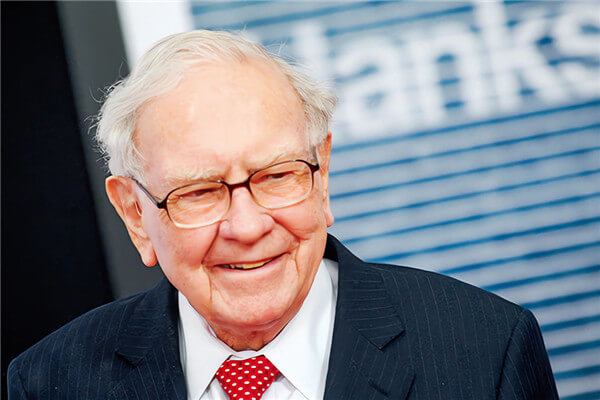
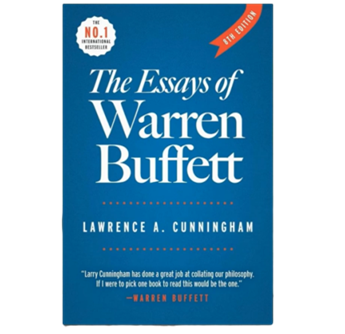
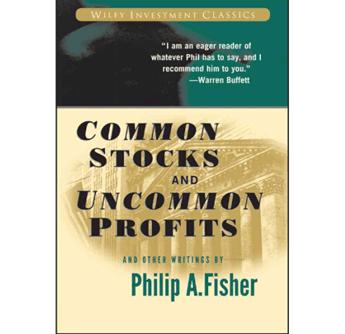
Buffett’s Value Investment Insights matter in 2026 because investors are again learning that price and value are not the same thing. After years of AI-led gains, high equity valuations, and shifting interest-rate expectations, the market is rewarding patience but punishing careless optimism. Buffett’s core question remains the right one: what is a business worth when the excitement fades?
Warren Buffett’s investment record gives that question unusual weight. Berkshire Hathaway compounded at 19.7% annually from 1965 to 2025, compared with 10.5% for the S&P 500, including dividends. That gap was not created by speed. It was created by discipline, business judgment, and the ability to act only when the odds were favourable.
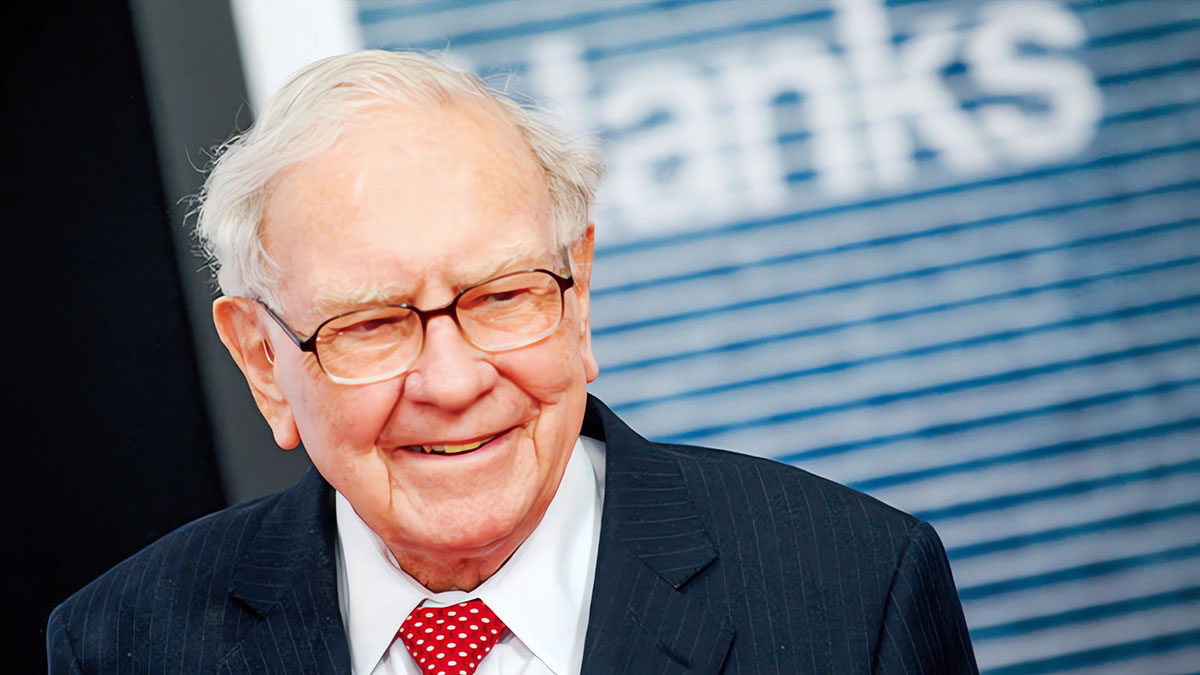
Buffett’s value investment philosophy evolved from buying statistically cheap stocks to owning high-quality companies with durable earnings power.
Berkshire’s 2026 position shows the value of patience: cash, cash equivalents, and U.S. Treasury bills reached $373.5 billion at the end of Q1 2026.
Value investing is not simply buying at low prices. It means buying strong businesses when the price leaves room for error.
Buffett’s framework works best when investors understand the business, management quality, balance sheet strength, and long-term cash flow.
Higher interest rates make valuation discipline more important because cash and Treasury bills now carry meaningful opportunity costs.
Buffett is famous for value investing, but his method has changed over time. That evolution is what makes his approach useful today.
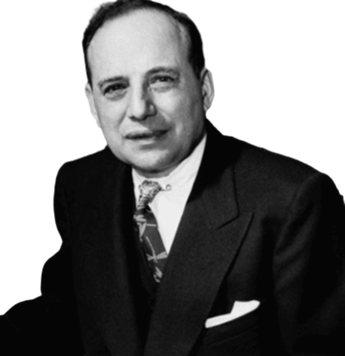
In the beginning, Buffett followed Benjamin Graham’s deep-value discipline. He looked for unpopular companies trading below conservative asset value. Later, influenced by Charlie Munger and by his own costly mistakes, he shifted toward a better model: buy excellent businesses at fair prices, then let compounding work.
That shift matters. Many investors still confuse low valuation with low risk. Buffett learned that a cheap stock can stay cheap if the business is weak, poorly managed, or trapped in a declining industry. Real value in cheap stock is not hidden in a low multiple alone. It is created when a business can defend profits, reinvest capital, and survive difficult cycles.
Buffett’s early strategy was often described as “cigar butt” investing. The idea was simple. A discarded cigar might still have one puff left. In markets, that meant buying deeply unpopular companies priced below their liquidation or net current asset value.
This approach required patience and accounting skill. Buffett studied balance sheets, working capital, receivables, inventories, and liabilities. He looked for cases where fear had pushed a share price below the value of assets that could reasonably be recovered.
The method helped him build capital. But it had a structural weakness. Cheap companies are often cheap for good reasons. Poor industries consume capital. Weak management destroys value. A company that looks undervalued on paper may still produce poor returns if its earnings power is deteriorating.
That is the first lesson investors should keep. Asset value can protect downside only when the assets are real, usable, and not trapped inside a failing business.
Berkshire Hathaway itself taught Buffett one of his most expensive lessons. The company was originally a struggling textile manufacturer. It appeared cheap, but the textile business was difficult, capital-intensive, and unable to generate attractive long-term returns.
That mistake changed Buffett’s method. He moved away from simply buying cheap assets and toward buying businesses with durable competitive advantages.
The difference is crucial. A poor company bought cheaply may offer one profitable exit. A great company bought sensibly can compound for decades. That is why Buffett later focused on companies with strong brands, repeat customers, pricing power, and predictable cash generation.
His three core principles became clear:
Find a good company.
Buy at a sensible price.
Hold for the long term when the business remains strong.
These principles sound simple, but the hard part is execution. Most investors can identify a popular company. Fewer can judge whether its future cash flows justify the price.
Berkshire’s current structure shows how Buffett’s principles survived the leadership transition. Gregory E. Abel became Berkshire’s chief executive officer on January 1, 2026, while Warren Buffett remained chairman. Major capital allocation and investment decisions moved under Abel’s responsibility, preserving the same decentralised and disciplined culture.
Berkshire’s financial position also shows why patience is not inactivity.
Berkshire’s Q1 2026 operating earnings rose to $11.35 billion from $9.64 billion a year earlier. Its insurance and other businesses also held $373.5 billion in cash, cash equivalents, and U.S. Treasury bills, while equity and fixed-maturity securities totalled $305.7 billion.
This matters because Buffett’s value investment philosophy treats cash as strategic capital. When markets offer few attractive opportunities, cash protects flexibility. When panic creates forced sellers, cash becomes an advantage.
Buffett’s timing is not about predicting every market swing. It is about waiting until the price creates a margin of safety.
That margin matters more in 2026 than it did during the zero-rate era. The Federal Reserve held the target range for the federal funds rate at 3.5% to 3.75% in April 2026, which means investors can still earn meaningful returns from cash-like instruments.
This raises the hurdle for stocks. A business must offer sufficient future returns to justify the risk of owning it rather than holding cash or Treasury bills. In a high-rate environment, investors should be less willing to pay extreme multiples for uncertain growth.
Buffett’s lesson is not to avoid growth. It is to avoid overpaying for it. A great business can become a poor investment when the purchase price assumes perfection.
Buffett’s long-term holding style is often misunderstood. It does not mean investors should hold every stock forever. It means they should hold strong businesses as long as the investment case remains intact.
The distinction matters. A falling share price is not always a reason to sell. But a weakening business model, reckless leverage, or poor capital allocation may be.
Long-term holding works because compounding needs time. A business that earns high returns on capital can reinvest, expand, and increase intrinsic value. But time helps only when the underlying economics are strong.
This is why Buffett focuses on business quality before market timing. The better the business, the more forgiving the time becomes.
Buffett’s Value Investment Insights focus on buying understandable businesses below their intrinsic value. The modern version places more weight on business quality than simple cheapness. Investors should look for durable earnings, strong balance sheets, capable managers, and prices that leave room for error.
Yes. Berkshire’s current structure still reflects its value-investing approach through disciplined capital allocation, concentrated long-term holdings, and large liquidity reserves. The leadership transition to Greg Abel changed the CEO, not the central philosophy of patience, quality, and price discipline.
No. Cheap stocks can be value traps when the underlying business is weak. Buffett’s approach is more demanding. It asks whether the company can compound cash flows over time and whether the purchase price provides sufficient protection against errors.
Cash gives Berkshire flexibility. It reduces the need to sell assets under pressure and allows the company to act when markets become distressed. In a higher-rate environment, cash also offers a real return, raising the standard for buying equities.
Buffett’s value investment insights remain useful because they address the investor’s hardest problem: staying rational when markets reward emotion.
The framework is not complicated. Understand the business. Estimate value conservatively. Demand a margin of safety. Hold when the company remains strong. Stay patient when opportunities are scarce.
That discipline helped turn Berkshire Hathaway into one of the world’s most important investment vehicles. In 2026, it also gives investors a practical defence against hype, overvaluation, and short-term noise.
Buffett’s greatest advantage was never just intelligence. It was temperament. Markets change, but that advantage still compounds.
Disclaimer: This material is for general information purposes only and is not intended as (and should not be considered to be) financial, investment or other advice on which reliance should be placed. No opinion given in the material constitutes a recommendation by EBC or the author that any particular investment, security, transaction or investment strategy is suitable for any specific person.