Published on: 2023-09-13
Updated on: 2026-06-23
Exchange rates in ancient and the Middle Ages were built on a simple idea: money had value because a coin contained metal that merchants could weigh, test, melt, and trust. Long before central banks, trading platforms, or live EUR/USD quotes, traders compared currencies by asking how much silver, gold, or copper stood behind each unit of money.
Ancient merchants faced the same problem modern traders face today: how to value one form of money against another. The tools were different, but the logic was familiar. Then, exchange rates depended on weight, purity, mint reputation, and transport cost. Today, they depend on Interest rates, inflation, capital flows, liquidity, and confidence in the issuer.
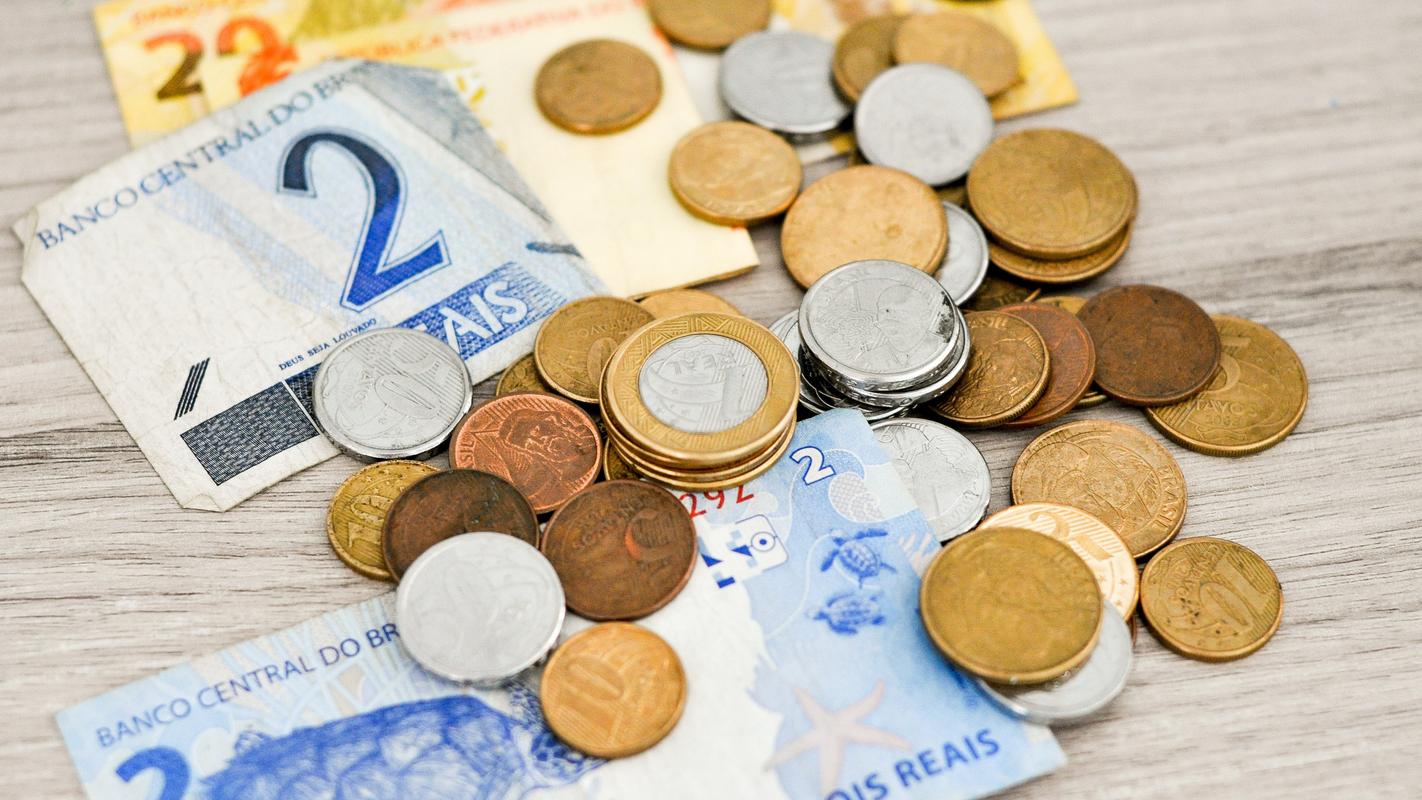
Ancient exchange rates were usually anchored by the intrinsic metal value of coins, especially silver.
Coins from different empires could be compared by weight and purity, creating a practical fixed-rate logic.
Currency depreciation often came from clipping, wear, counterfeiting, or official debasement.
“Bad money drives out good money”, explains why stronger coins often disappear from circulation.
Medieval trade became complex because many local and foreign coins circulated together.
Amsterdam’s exchange bank showed how trusted settlement systems could reduce coin confusion.
Modern exchange rates can move sharply because fiat currencies have no intrinsic metal value. Their value comes from policy credibility, economic strength, and market demand. Ancient coins were different. A silver coin was both money and a commodity. If a coin contained a known amount of silver, it carried a measurable floor value.
That made many ancient exchange rates more stable than today’s floating currencies. If one coin contained twice as much silver as another, it should generally trade near twice the value, assuming similar purity. Arbitrage helped keep rates in line because undervalued coins could be moved, melted, or reminted in jurisdictions where the metal received better recognition.
Still, these rates were stable only when the metal content was trusted. A worn coin, clipped coin, or unfamiliar foreign coin could trade at a discount. Merchants had to judge not only face value but also real value.
| Exchange factor | Ancient market impact | Modern FX equivalent |
|---|---|---|
| Metal weight | Core measure of value | Purchasing power |
| Purity | Discount for debased money | Inflation credibility |
| Mint reputation | Trust in issuer | Central bank credibility |
| Transport cost | Local rate gaps | Bid-ask spread |
| Political stability | Risk premium on weak money | Sovereign risk |
Ancient exchange rates were mainly determined by the intrinsic value of the metal. A Roman silver coin and a Parthian or Byzantine silver coin could be compared by weighing them and judging fineness. If the purity was similar, the exchange rate became a matter of basic arithmetic.
But metal was not the only factor. A coin from a respected mint could circulate more easily than a coin from a weak authority. A coin that looked unfamiliar, underweight, or politically risky might be accepted only after a discount.
This is why money changers became essential. They inspected quality, priced risk, and helped merchants avoid losses from weak or fraudulent money. In that sense, they were early foreign exchange specialists.
Currency depreciation is not a modern invention. In metallic systems, it often appeared through debasement. A ruler could reduce the silver content of a coin while keeping the same face value. The state gained revenue because it produced more coins from the same amount of metal, but public trust weakened.
Private actors also damaged money. Coins were clipped, shaved, forged, or worn down through long circulation. Over time, the metal inside the coin could fall below the value recognised by law. When that happened, the currency’s real exchange value declined.
This is where Gresham’s law helps explain market behaviour. When good and bad coins are treated as equal by law, people tend to spend the bad coins and save the good ones. Better coins disappear into hoards, melting pots, or foreign trade, while weaker coins remain in circulation.
The modern parallel is clear. When users lose confidence in a currency, they look for a stronger store of value. In ancient markets, that meant heavier coins or trusted foreign money. In modern markets, it can mean reserve currencies, gold, government debt, or dollar-linked instruments.
For much of ancient and medieval Europe, silver served as the main monetary reference. Gold coins existed, especially for larger payments, but silver was more common in ordinary commerce and regional exchange.
The silver standard helped create a shared benchmark. Yet medieval Europe was politically fragmented. Kings, cities, bishops, dukes, and local authorities issued their own coins. Trade routes connected markets that used different names, weights, and standards. A merchant crossing borders had to understand not one exchange rate but many.
Bills of exchange became a major step toward modern finance. They reduced the need to transport metal and allowed merchants to settle payments across cities through trusted networks. Exchange rates then reflected credit, timing, location, and reputation, not metal alone.
By the early modern period, coin variety had become a serious problem for trade. Amsterdam handled a wide flow of commerce, but many coins were worn, clipped, foreign, or debased. Weighing and testing every coin slowed business.
The Bank of Amsterdam, founded in 1609, helped solve this by accepting coin and bullion deposits, valuing them, and allowing large payments to settle through bank money. This created a more reliable unit of account than mixed coin circulation and made commercial payments easier.
The deeper lesson was that trust moved from the coin itself to the settlement system. Merchants did not need to inspect every coin if they could rely on a credible ledger balance. This was not modern central banking in the full sense, but it was a major step toward today’s financial infrastructure.
The global FX market is now far larger and faster than anything ancient merchants could have imagined. In April 2025, over-the-counter foreign exchange turnover reached $9.6 trillion per day, up 28% from 2022. The US dollar remained on the dominant side in 89.2% of all trades, underscoring the enduring power of trust, liquidity, and network dominance.
Modern exchange rates no longer rest on silver content. They move in response to interest-rate expectations, inflation data, trade balances, capital flows, hedging demand, and geopolitical risk. But the foundation is still recognisable. A currency must be accepted, measurable, transferable, and trusted.
That is why ancient exchange rates still matter. They show the original mechanics of FX: compare value, price risk, manage settlement, and protect purchasing power. Whether the instrument is a Roman coin, a medieval silver penny, a bank deposit, or a digital token, users ask the same question. What gives this money value, and can that value be trusted in exchange?
Ancient exchange rates were usually calculated by comparing coin weight and metal purity. Merchants then adjusted for wear, local demand, transport costs, mint reputation, and the risk of accepting unfamiliar money.
They were more stable when coins contained a known amount of precious metal. Metal content gave exchange rates a natural anchor, while modern fiat currencies move with policy expectations, inflation, capital flows, and market sentiment.
It explains the core logic of foreign exchange. Exchange rates are not only prices on a screen. They reflect trust, convertibility, liquidity, and confidence in the system behind the money.
Exchange rates in ancient and the Middle Ages began with metal, but they quickly became a story about trust. A coin’s weight and purity mattered, yet so did the reputation of the mint, the honesty of the issuer, and the ability to settle trade across distance.
Modern FX markets have replaced scales and silver tests with electronic pricing, forward contracts, central banks, and global settlement systems. Still, the old rule remains intact. Money holds value only when people believe it can be exchanged reliably. When that belief weakens, the exchange rate adjusts.
Disclaimer: This material is for general information purposes only and is not intended as (and should not be considered to be) financial, investment or other advice on which reliance should be placed. No opinion given in the material constitutes a recommendation by EBC or the author that any particular investment, security, transaction or investment strategy is suitable for any specific person.