








简体中文 繁體中文 한국어 日本語 Español ภาษาไทย Bahasa Indonesia Tiếng Việt Português Монгол العربية हिन्दी Русский ئۇيغۇر تىلى

PAMM Solution Simplifying Complexity

Apply Now

What is a PAMM Account?

A PAMM (Percentage Allocation Money Management) account allows investors to allocate funds to a fund manager. The manager trades a master account, and profits, and fees are distributed proportionally among all investors.

Investors
Diversified Choices
Allocate funds to multiple PAMM accounts to spread risk
Flexible Participation
Follow or unfollow strategy accounts anytime
Expert Management
Achieve hands-free profits through expert trading strategies
Become an Investor
Fund Managers
Automatic Handling
Automatically distribute profits and losses based on share
Easy Management
Simplified interface and precise risk control
Transparent and Efficient
Track performance and provide transparent reporting
Earn Income
Earn additional income through 5 different fee models
Become a Fund Manager
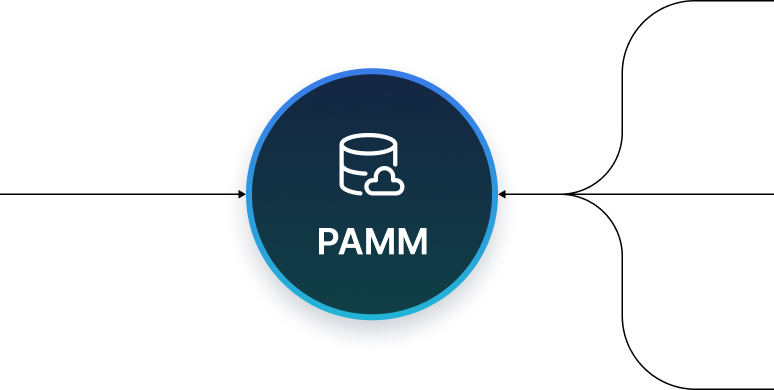
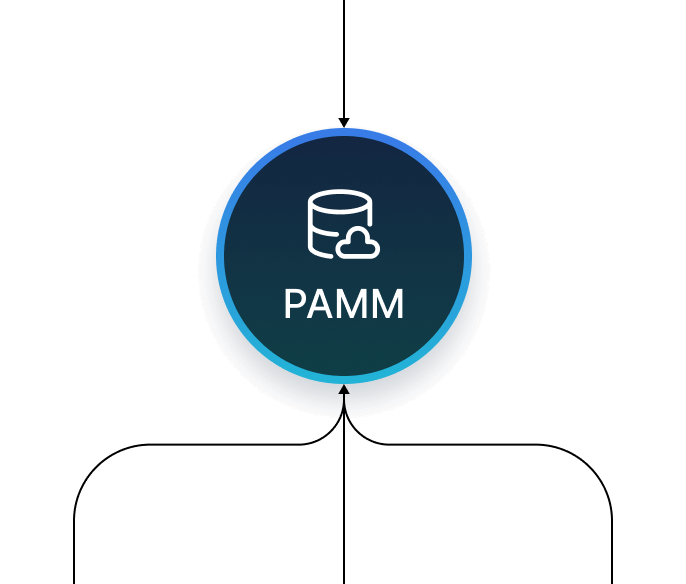
How It Works
Fund Managers
Investors
Investors
Investors
A PAMM Account investment may not be appropriate for all investors. It is mandatory that you acknowledge and fully understand the risks involved, and that you make your investment decision cautiously, in view of your personal investment goals, level of experience, and tolerance for risk.

How to Apply for a PAMM Account

1
Register an Account
Submit basic information and create a trading account
2
Submit Application
Deposit according to the account type and sign the agreement
3
Choose Your PAMM Strategy
Connect your trading account to a PAMM account to see all its information.

PAMM FAQs

1. What is the minimum investment amount?

The minimum investment is $100. The account must be newly opened and have no prior trading history to ensure accurate performance tracking.

2. Does PAMM support MT5?

No. PAMM currently only supports MT4 Live01 and MT4 Live02 accounts.

3. Can investors trade during the pending agreement/connection period?

No. To ensure a clean account, no trading is allowed during the PAMM agreement signing and connection process.

4. What should sub-accounts do when the master account holds positions?

Sub-accounts must monitor trades and manage risks when margin levels are insufficient.

5. What is the High Water Mark?

The High Water Mark is the highest historical value of an investor’s account after performance fees. Performance fees are only charged when the account’s net asset value exceeds its previous HWM, so investors are not charged performance fees twice for recovering past losses.